
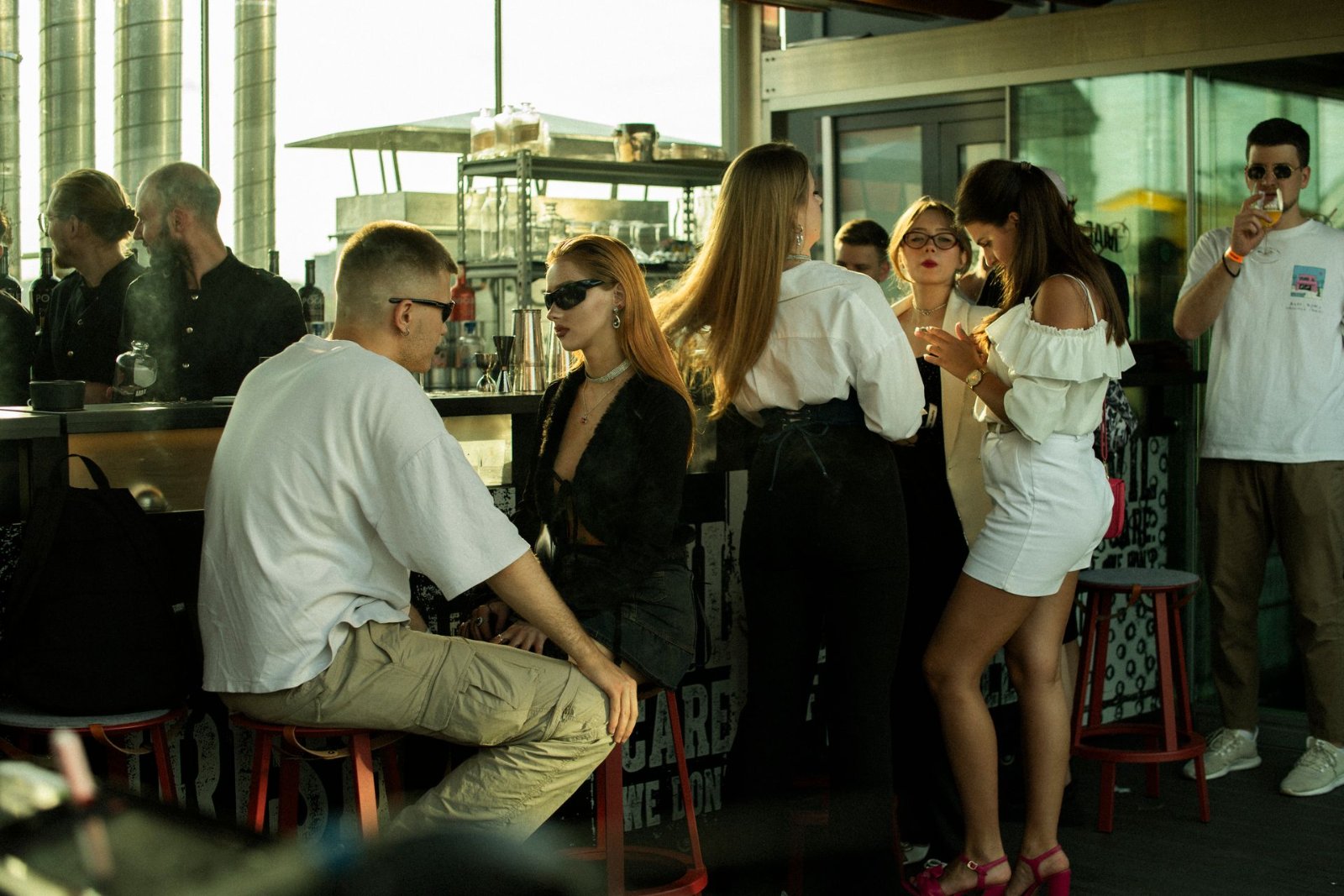
If you’ve ever woken up the morning after a bar crawl in downtown San Jose and wondered where your entire paycheck disappeared to, you’re not alone. That sinking feeling when you check your bank account and see a number that makes your stomach drop — that’s the hidden cost of social spending finally revealing itself. Bar crawls are fun, no doubt about it. But are they actually a smart investment of your social budget? Or are there smarter ways to spend your money while still enjoying San Jose’s vibrant food and nightlife scene?
In this deep-dive budget breakdown, we’re going to pull back the curtain on the real cost of bar crawls versus solo dining alternatives. We’ll talk numbers, strategies, and yes — we’ll also talk about how organized experiences like those offered by Barcrawlerz can actually help you get more value out of your social spending than going it alone on a random Saturday night in the SoFA District.
Grab a coffee (or a mimosa, no judgment here) and let’s get into it.
The Real Cost of a Bar Crawl Night Out in San Jose
Before we can compare bar crawls to solo dining, we need to get brutally honest about what a typical bar crawl actually costs. Most people dramatically underestimate what they spend on a night out, and the gap between perception and reality is where financial pain lives.
The Pre-Game Costs Nobody Talks About
The spending starts before you even leave your house or apartment in San Jose. Let’s walk through the typical pre-crawl expenses that most people conveniently forget to factor into their mental budget.
First, there’s the outfit. Whether you’re hitting up the bars on South First Street or exploring the nightlife around Santana Row, there’s social pressure to look good. A new shirt, a fresh pair of shoes, maybe a quick trim at the barbershop — these costs can easily add up to $50 to $150 before the night even starts. Most people don’t count this because it feels like a “one-time” expense, but if you’re going out regularly, it becomes a recurring cost.
Then there’s the pre-game itself. Buying a bottle of wine or a six-pack to drink before heading out is a cost-saving strategy that ironically leads to more spending later in the night because you arrive already loosened up and less price-conscious. That pre-game bottle might run you $15 to $25.
Transportation Costs in San Jose’s Bar Scene
San Jose isn’t exactly the most walkable city for bar crawls, depending on where you’re starting and ending. Unless you’re staying strictly in the downtown core, you’re likely relying on rideshare services. Here’s where things get expensive fast.
A roundtrip Uber or Lyft within San Jose on a Friday or Saturday night, with surge pricing factored in, can easily run $30 to $60. If your group splits up at any point and you need to catch a solo ride, that cost can spike even higher. Parking downtown and paying for a safe ride home? Add another $20 to $30 for the parking itself.
“Transportation is the silent budget killer of every bar crawl. Most people forget to count it, and then wonder why the night cost so much more than expected.”
The Drink-by-Drink Financial Reality
Now let’s talk about the actual bar spending. In San Jose, a craft beer at a decent bar runs between $8 and $14. Cocktails? You’re looking at $12 to $18 per drink at most mid-range spots, and considerably more at upscale venues around Santana Row or the Rosegarden neighborhood.
On a typical bar crawl hitting four to six venues, the average person consumes three to five drinks. That’s a conservative estimate. At an average of $13 per drink, five drinks equals $65 in alcohol alone — before tips. And tipping matters. Tipping poorly at bars is social suicide and genuinely unfair to bartenders who work incredibly hard. Add 20% gratuity and you’re at $78 just for drinks.
But wait — most bar crawls also involve food. Whether it’s appetizers at the first bar, a shared plate at the third stop, or a post-crawl late-night taco run (we see you, San Pedro Square Market regulars), food spending on a bar crawl night typically adds another $20 to $45 per person.
The Cover Charges and Entry Fees
Depending on which bars you hit and what night you’re going out, cover charges in San Jose can range from nothing to $20 per venue. On a busy Friday or Saturday night, especially if there’s live music or a DJ, you might pay $10 to $15 at two or three different spots. That’s another $20 to $45 out of your pocket before you’ve ordered a single drink.
The Complete Bar Crawl Cost Breakdown: What You’re Actually Spending
Let’s put all of these numbers together into a realistic total for a bar crawl night out in San Jose, California.
Conservative Estimate (Budget-Conscious Crawl)
Even if you’re being careful, here’s what a “budget” bar crawl night realistically looks like:
Pre-game expenses: $15 (cheap bottle of wine split with a friend)
Outfit/grooming: $0 (wearing something you already own — best case scenario)
Transportation: $25 (rideshare roundtrip, no surge)
Cover charges: $20 (two venues at $10 each)
Drinks (4 drinks at $10 average): $40
Tips on drinks: $8
Food during/after crawl: $20
Total: $128
Realistic Estimate (Average Night Out)
For most people on a typical bar crawl night in San Jose, the more realistic breakdown looks like this:
Pre-game expenses: $20
Outfit/grooming: $50 (something new or a fresh haircut)
Transportation: $45 (surge pricing is real)
Cover charges: $35 (three venues)
Drinks (5 drinks at $13 average): $65
Tips on drinks: $15
Food during/after crawl: $35
Miscellaneous (coat check, lost items, ATM fees): $15
Total: $280
The “Lost Control” Scenario (It Happens to Everyone)
And then there are those nights where things get out of hand. An extra round here, a round of shots for the group there, a spontaneous late-night meal, and suddenly you’re looking at $350 to $500 for a single night out. We’ve all been there. San Jose’s nightlife has a way of making it feel completely reasonable in the moment.
“The average American spends $179 per month on bars and nightlife. In a high cost-of-living city like San Jose, that number climbs significantly — and most people are shocked when they actually track it.”
Hidden Costs That Destroy Your Bar Crawl ROI
Beyond the direct financial costs, there are hidden costs to bar crawl culture that rarely get discussed but absolutely devastate your return on investment from a social spending perspective.
The Hangover Tax: Lost Productivity and Health Costs
This one is significant. A rough night out doesn’t just cost you money in the moment — it costs you the entire next day. If you’re a professional in San Jose’s tech sector (and statistically, many of you reading this are), losing a productive Saturday or Sunday to a hangover has real economic value attached to it.
Beyond productivity, there are health costs. Frequent heavy drinking increases healthcare expenditures over time, affects sleep quality, and can impact mental health. These aren’t abstract concerns — they’re real costs that erode the value of your social spending over time.
The Social Pressure Spending Spiral
Bar crawls come with intense social pressure to keep up. When someone in your group orders a round of shots, saying no feels awkward. When the group decides to hit one more bar, leaving feels antisocial. This social pressure creates what economists call “preference falsification” — you spend money on experiences you didn’t actually want because the group dynamic demands it.
This is one of the most insidious hidden costs of bar crawls. You end up spending money not on your own enjoyment, but on managing social perceptions and relationships. The ROI on that kind of spending is genuinely terrible.
The Opportunity Cost of Disorganized Bar Crawls
Poorly planned bar crawls waste enormous amounts of time and money. Standing in lines, walking between venues that are poorly chosen, waiting for the group to reassemble after someone got lost — these inefficiencies add up. Every minute spent waiting in line at a bar that turned out to be disappointing is time and money that could have been better spent.
This is actually where organized bar crawl services like Barcrawlerz provide genuine value. By pre-vetting venues, negotiating deals, and creating efficient routes through San Jose’s bar scene, organized crawls eliminate much of the waste that destroys ROI on spontaneous nights out. When someone else has done the research and logistics work, you spend less time and money on dead ends and more time actually enjoying yourself.
The Solo Dining Alternative: A Competing Value Proposition
Now let’s look at the other side of the equation. What does solo dining — or small group dining at quality restaurants — actually cost compared to bar crawls, and what do you get for your money?
What Solo Dining Actually Costs in San Jose
San Jose has a genuinely outstanding restaurant scene that often gets overshadowed by its neighbors in San Francisco and the broader Bay Area. From the Vietnamese restaurants along Story Road to the upscale dining experiences in Willow Glen and Santana Row, there’s incredible food available at a wide range of price points.
A solo dinner at a quality mid-range restaurant in San Jose — think a nice pasta dish, a glass of wine, and dessert — will typically run you $50 to $80 all-in including tip. A genuinely special dinner at an upscale restaurant might run $100 to $150. Compare that to the $128 to $280+ you’re spending on a bar crawl night, and the value proposition starts to look very different.
The Experience Quality Comparison
Here’s where things get philosophically interesting. What are you actually getting from each type of experience?
A bar crawl, at its best, offers social connection, spontaneity, discovery, and the shared experience of moving through a city’s nightlife together. At its worst, it offers noise, crowds, expensive mediocre drinks, and a morning of regret. The quality variance is enormous.
A solo dining experience or an intimate dinner with one or two close friends offers something fundamentally different: genuine conversation, focused enjoyment of excellent food, and a controlled environment where you’re not being pressured to spend more than you want to. The experience quality floor is much higher — even a mediocre restaurant meal is usually better than a bad bar crawl night.
The Memory and Satisfaction ROI
Research in behavioral economics consistently shows that people derive more lasting satisfaction from experiences that involve genuine novelty, quality sensory experiences, and meaningful social connection — not from experiences defined primarily by alcohol consumption and social pressure.
A memorable meal at a great San Jose restaurant — discovering an incredible bowl of pho in the East Side, or trying a new tasting menu in Willow Glen — creates the kind of memory that actually pays dividends in life satisfaction. The average bar crawl, by contrast, often blurs into a collection of indistinguishable loud rooms and overpriced drinks.
“The best experiences aren’t always the most expensive ones. But the worst experiences are often the ones where you spent the most money feeling the least in control of what you were actually doing.”
When Bar Crawls DO Provide Good ROI: The Organized Experience Advantage
We want to be balanced here, because bar crawls absolutely can provide excellent value and genuinely wonderful social experiences. The key is in the execution. Not all bar crawls are created equal, and the difference between a well-organized crawl and a disorganized one is the difference between a great night and a financial disaster.
The Case for Organized Bar Crawls
This is where services like Barcrawlerz genuinely change the value equation. An organized bar crawl service addresses many of the hidden cost problems we’ve identified above. When a company has pre-negotiated deals with venues, created an efficient route, vetted the bars for quality, and handled the logistics, you’re getting a fundamentally different product than a spontaneous night out.
Organized crawls typically include:
Pre-negotiated drink specials: Instead of paying full price at every bar, organized crawls often include discounted or included drinks at participating venues. This alone can dramatically reduce the per-drink cost.
Waived cover charges: Many organized crawl services negotiate cover charge waivers at participating bars, eliminating one of the significant hidden costs we identified earlier.
Efficient routing: No wandering around downtown San Jose trying to figure out where to go next. An organized crawl has a plan, which means less time wasted and less money spent on transportation between poorly-chosen venues.
Built-in social connection: Organized crawls solve the “social pressure spiral” problem by creating a structured social environment where everyone is on the same page about what the night involves.
Calculating the Organized Crawl Value Proposition
When you factor in the deals, the waived covers, and the efficiency gains, an organized bar crawl through a service like Barcrawlerz can realistically cost $80 to $120 for what would otherwise be a $200 to $280 unorganized night. That’s a meaningful savings — and you’re getting a better experience in the process.
The math starts to make sense when you think about it as paying for organization and access rather than just paying for the privilege of walking into bars. The upfront cost of an organized crawl is offset by the savings on individual venue costs and the elimination of the expensive inefficiencies that define most spontaneous nights out.
A Practical Framework for Optimizing Your Social Spending in San Jose
So what’s the actual takeaway here? How should you think about allocating your social budget between bar crawls, organized crawl experiences, and solo or small-group dining? Here’s a practical framework that balances enjoyment with financial sanity.
The 50/30/20 Social Spending Approach
Consider thinking about your monthly social budget in thirds:
50% on quality dining experiences: Invest the majority of your social budget in memorable meals — whether solo or with close friends. San Jose’s restaurant scene rewards exploration, and the ROI on a genuinely excellent meal is hard to beat. This is where you get the best combination of sensory pleasure, social connection, and lasting memories.
30% on organized social experiences: This is where organized bar crawls, food tours, and similar structured experiences fit in. Events organized by services like Barcrawlerz fall into this category — they’re social investments where someone else has done the work to maximize your experience value.
20% on spontaneous nights out: Keep some budget for the occasional unplanned night out, but go in with eyes open about what it’s likely to cost. Set a hard limit before you leave the house, and stick to it.
Practical Tips for Reducing Hidden Bar Crawl Costs
If you’re going to do bar crawls, here are concrete strategies for reducing the hidden costs we’ve identified:
Pre-commit to a drink limit: Decide before you go out how many drinks you’re having. This sounds obvious but almost nobody does it. Write it on your hand if you have to.
Use cash: Withdraw the exact amount you’re willing to spend and leave your credit card at home. The psychological friction of handing over physical cash slows spending in ways that swiping a card simply doesn’t.
Plan your transportation in advance: Book your ride home before you start drinking. Surge pricing awareness goes out the window after a few drinks.
Choose organized experiences over spontaneous crawls: The data is pretty clear that organized bar crawl experiences provide better value than unplanned nights out. Do your research and find organized events that fit your interests and budget.
Track your spending: Use your banking app or a budgeting tool to actually log what you spend on nights out. The awareness alone is often enough to change behavior.
The Bottom Line: Making Smart Social Spending Decisions in San Jose
The bar crawl budget breakdown reveals something important: the hidden costs of unorganized social spending are substantial, and they often dwarf the visible costs that people actually plan for. Transportation, cover charges, social pressure spending, the hangover tax, and the opportunity cost of wasted time all add up to a social spending reality that looks very different from what most people imagine.
Does this mean you should never do bar crawls? Absolutely not. Bar crawls, done right, are genuinely wonderful experiences. San Jose’s nightlife scene — from the craft beer bars in downtown to the cocktail lounges near Santana Row — has real magic to it when you experience it with good people and good planning.
The key is being intentional. Know what you’re spending before you spend it. Choose organized experiences over chaotic ones when you can. Balance your social budget between bar-focused nights and quality dining experiences. And when you do go on a bar crawl, consider using a service like Barcrawlerz that has done the work to maximize your value and minimize the hidden costs that destroy ROI on spontaneous nights out.
Your bank account — and your future self — will thank you for the thoughtfulness. And you’ll still have plenty of great stories to tell.
Frequently Asked Questions About Bar Crawl Budgeting in San Jose
How much should I budget for a bar crawl night in San Jose?
A realistic budget for a bar crawl night in San Jose is between $150 and $250 per person when you account for all costs including transportation, cover charges, drinks, tips, and food. If you’re using an organized service like Barcrawlerz, you can often reduce this by $50 to $80 through pre-negotiated deals and eliminated cover charges.
Are organized bar crawls worth the upfront cost?
In most cases, yes. The upfront fee for an organized bar crawl is typically offset by the savings on individual venue costs, eliminated cover charges, and the value of having someone else handle the logistics. You also get a better experience with less wasted time and money on dead ends.
How does bar crawl spending compare to restaurant dining in San Jose?
A quality restaurant dinner in San Jose typically costs $50 to $100 per person all-in. A bar crawl night typically costs $150 to $280 per person. The restaurant experience generally provides better food quality, a more controlled environment, and often more meaningful social connection — though it lacks the spontaneity and social energy of a good bar crawl.
What are the biggest hidden costs of bar crawls?
The biggest hidden costs are transportation (especially with surge pricing), cover charges at multiple venues, the social pressure to spend more than you planned, outfit and grooming expenses, and the productivity cost of the day after. Most people underestimate their total bar crawl spending by 30 to 50 percent.
Understanding these costs doesn’t mean avoiding the experience — it means going into it with clear eyes and a plan that lets you enjoy San Jose’s nightlife without waking up the next morning wondering where your money went.