
Friends’ Drinking Pace Incompatibility and How to Navigate the Social Dynamics Without Sacrificing Your Night in San Jose
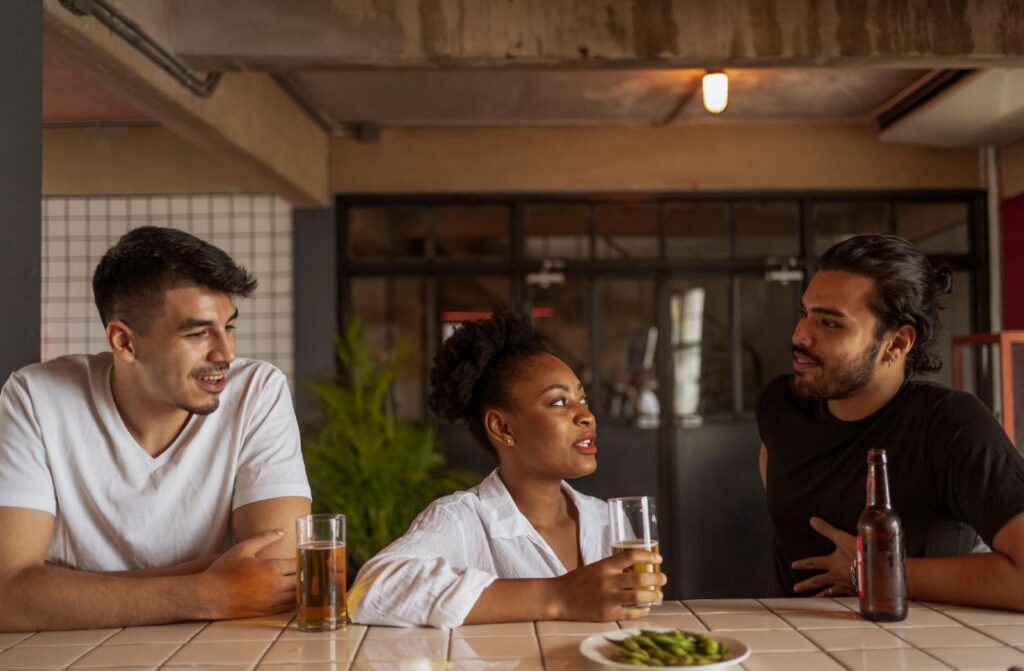
We’ve all been there. You’re out with your crew on a Friday night in San Jose, the energy is high, the music is bumping, and then — it happens. Your best friend is already three drinks deep while your other friend is still nursing their first cocktail. Someone wants to move on to the next bar, someone else wants to stay put, and suddenly what was supposed to be an epic night out starts to feel like a delicate diplomatic negotiation. Sound familiar?
Drinking pace incompatibility is one of the most common — and least talked about — social friction points in group nightlife situations. Whether you’re a slow sipper, a fast mover, or somewhere in between, navigating these differences with grace, humor, and a little strategy can make the difference between a legendary night and one that ends in frustration before midnight.
In this guide, we’re going to break down everything you need to know about handling mismatched drinking paces in your friend group, with some specific tips for making the most of San Jose’s vibrant nightlife scene. And if you’re looking for a structured, fun way to experience multiple venues without the drama, we’ll also talk about why a guided bar crawl experience — like the ones offered by Barcrawlerz — might just be the social glue your group needs.
Understanding Why Drinking Pace Incompatibility Happens
Before we dive into solutions, it helps to understand why this happens in the first place. Drinking pace differences aren’t random — they’re rooted in a combination of personality, biology, social comfort level, and personal preference. Knowing the “why” behind your friends’ behavior can help you respond with empathy instead of frustration.
The Fast Drinker
Fast drinkers often drink quickly because they’re excited, socially anxious and using alcohol to loosen up, or they simply have a higher tolerance built over time. They may also be following the rhythm of the music or the energy of the crowd. In San Jose’s lively downtown scene — especially around areas like South First Street or the SoFA District — the atmosphere can genuinely make you want to keep the drinks flowing.
The Slow Sipper
On the other end of the spectrum, slow sippers might be pacing themselves intentionally, watching their budget, driving later, or simply enjoying the flavor of their drink without rushing. They’re not being boring — they’re just experiencing the night differently. Respect for this is crucial.
The Wildcard
Then there’s the wildcard friend — the one who is completely unpredictable. They might be slow for the first two hours and then suddenly want to do shots at midnight. Managing this personality type requires flexibility and a good sense of humor.
Why Drinking Pace Mismatches Create Social Tension
The real problem isn’t the pace difference itself — it’s the social pressure that comes with it. When one person is ready to move on and another isn’t, it creates a subtle (or not so subtle) power struggle. Nobody wants to be the person who “ruined the vibe,” and nobody wants to feel like they’re being dragged along against their will.
“The best nights out aren’t the ones where everyone does the exact same thing — they’re the ones where everyone feels seen, respected, and genuinely included in the fun.”
In group settings, social dynamics can get complicated fast. There’s peer pressure, FOMO (fear of missing out), and the very human desire to belong and keep up. When these forces collide with different drinking preferences, you get tension, passive-aggressive comments, or worse — someone going home early feeling left out.
Practical Strategies to Navigate Pace Differences Without Drama
Alright, let’s get into the good stuff. Here are some genuinely useful, field-tested strategies for keeping the peace and keeping the party going — no matter who’s drinking what or how fast.
1. Have the Conversation Before the Night Starts
This might sound overly formal, but a quick group chat or pre-game conversation about expectations can save you hours of friction later. Ask things like: Are we doing a bar crawl tonight or staying in one spot? Is anyone driving? Does anyone have an early morning tomorrow? Is the goal to get wild or just have a nice night out?
Setting loose expectations in advance means everyone is on the same page before the first drink is poured. In a city like San Jose, where the options range from laid-back wine bars in Willow Glen to high-energy clubs downtown, knowing what kind of night you’re all aiming for makes a huge difference.
2. Choose a Venue That Works for Multiple Speeds
One of the smartest moves you can make is choosing a venue — or a crawl route — that accommodates different drinking styles. Bars with great food menus, games, or entertainment give slow drinkers something to do besides drink, while still keeping the energy alive for faster-paced friends.
San Jose has some excellent multi-experience venues that do exactly this. Think places with shuffleboard, trivia nights, or live music where the entertainment itself becomes the focus, not just the alcohol consumption. When there’s something else to engage with, the pressure to “keep up” naturally fades.
3. Normalize Non-Alcoholic and Low-ABV Drinks
One of the best ways to neutralize pace pressure is to make it totally normal for people to drink whatever they want — including mocktails, sparkling water, or low-ABV options — without any commentary. If your friend orders a soda water with lime, the correct response is zero reaction. Not even a raised eyebrow.
San Jose’s bar scene has evolved beautifully in this regard. Many craft cocktail bars now offer genuinely impressive non-alcoholic menus that feel just as festive and special as the full-strength versions. Encourage your group to explore these options freely.
4. Use the “Anchor” System
This is a strategy borrowed from event planning and it works brilliantly in nightlife settings. Designate one person (or rotate the role) as the “anchor” — someone who stays with the slower drinkers while the faster ones do a quick lap or check out a neighboring bar. You regroup at a set time and place, and nobody feels abandoned or rushed.
This works especially well when you’re doing a bar crawl through San Jose’s downtown corridor. If some friends want to linger at one spot while others scout the next location, the anchor system keeps the group connected without forcing everyone to move in lockstep.
5. Reframe “Keeping Up” as a Non-Goal
This is a mindset shift, but it’s a powerful one. The goal of a night out isn’t to drink the same amount as everyone else — it’s to enjoy yourself and enjoy your friends. Explicitly saying this out loud can help dissolve the unspoken pressure that so many people feel.
If someone in your group tends to be competitive about drinking, gently redirecting the energy toward fun experiences rather than consumption can shift the whole group’s dynamic. Focus on the memories you’re making, not the drinks you’re finishing.
6. Plan Built-In Transition Points
Instead of leaving bar transitions up to organic (and often contentious) group consensus, plan them in advance. “We’ll leave this spot at 10:30 no matter what” gives everyone a clear timeline and removes the negotiation element. Fast drinkers know they can order one more before the move; slow drinkers know they have time to finish at their own pace.
This is one of the hidden superpowers of a structured bar crawl experience. When the schedule is predetermined, nobody has to be the bad guy who says “okay, time to go.” The structure does it for you, and everyone can just relax into the fun.
Why a Guided Bar Crawl Experience Is the Ultimate Equalizer
Speaking of structured experiences — let’s talk about why joining a guided bar crawl might be the single best decision your friend group makes this season. And if you’re in San Jose, Barcrawlerz is a name worth knowing.
Bar crawls have a bit of an undeserved reputation as being chaotic or exclusively for hard partiers. In reality, a well-organized bar crawl is one of the most socially inclusive nightlife formats out there. Here’s why:
Everyone Moves Together — But at a Manageable Pace
A good bar crawl is designed with timing in mind. You spend a set amount of time at each venue, which means fast drinkers get the novelty of moving to new spots, and slow drinkers always know how much time they have before the group moves on. There’s no ambiguity, no power struggles — just a fun, flowing schedule that works for everyone.
The Social Pressure to “Keep Up” Disappears
When you’re part of a larger crawl group, the social dynamics shift in a really healthy way. You’re not just your core friend group anymore — you’re part of a community of people all there to have a good time. This diffuses the intensity of intra-group dynamics and gives everyone permission to drink (or not drink) at their own pace without feeling like they’re letting anyone down.
You Discover San Jose’s Best Bars Without the Planning Stress
One of the most underrated benefits of a guided bar crawl is that someone else has done all the homework. Barcrawlerz has mapped out the best stops in San Jose’s nightlife scene, negotiated deals with venues, and created a route that maximizes fun and minimizes the logistical headaches that come with DIY group bar-hopping.
San Jose has an incredibly diverse bar scene — from craft beer taprooms near the SAP Center to intimate cocktail lounges in the Japantown neighborhood, to rooftop bars with stunning skyline views. Knowing where to go and in what order is genuinely half the battle, and a curated crawl takes that off your plate entirely.
Perks, Deals, and Exclusive Access
Barcrawlerz participants often get access to drink specials, skip-the-line privileges, and other perks that you simply wouldn’t get walking in as an unaffiliated group. For slower drinkers who are watching their budget, drink specials mean they can enjoy quality cocktails without feeling financial pressure to rush through them. For faster drinkers, the variety of stops keeps the energy high without anyone feeling like they’re dragging the group around.
Managing Specific Scenarios You’ll Encounter
Let’s get even more specific. Here are some common real-world scenarios involving pace incompatibility, and exactly how to handle them.
Scenario 1: One Friend Is Already Drunk While Others Are Just Starting
This happens more often than people admit. Maybe someone pre-gamed a little too enthusiastically, or they haven’t eaten enough. Whatever the reason, you now have an imbalanced group before the night has really begun.
The move here is to slow down the venue’s pace — not the person’s drinking (which you can’t control) but the group’s activity level. Suggest a sit-down spot, order some food, and let the night breathe a little. In San Jose, there are plenty of bars with great late-night food menus that make this an easy pivot. Slowing down doesn’t mean stopping — it means recalibrating.
Scenario 2: Someone Wants to Leave Early Because They’re Not Keeping Up
If a friend feels out of sync with the group’s energy, they might start talking about heading home. Before this happens, check in with them proactively. A simple “Hey, how are you feeling? Having fun?” can go a long way. Sometimes people just need to feel seen and included, and that attention alone is enough to re-engage them in the night.
If they genuinely want to leave, honor that gracefully. Don’t guilt-trip or pressure. A good friend group lets people opt out without drama, and that actually makes everyone feel safer and more willing to stay when they’re on the fence.
Scenario 3: The Group Is Split on Whether to Stay or Go
This is the classic standoff. Half the group wants to move to the next bar; the other half is comfortable where they are. The worst thing you can do is let this become a drawn-out debate that kills the energy.
Instead, use the “15-minute rule.” Agree that the group will stay for exactly 15 more minutes, and then everyone commits to the move. This gives the stay-ers a little more time and gives the movers a clear timeline. It’s a compromise that respects both sides without letting either side dominate.
Scenario 4: Someone Is Clearly Drinking to Cope, Not to Celebrate
This is a more serious scenario, but it’s worth addressing. Sometimes a friend drinks faster because they’re going through something difficult and using alcohol as an escape. If you notice this pattern, the response isn’t to match their pace or shame them — it’s to be present, check in, and gently create space for a real conversation if they want it.
A night out in San Jose should be a celebration, not a coping mechanism. Being a good friend means noticing the difference and responding with compassion rather than competition.
The Role of the Designated Driver or Sober Friend
Let’s give a proper shoutout to the unsung hero of every friend group: the designated driver or the person who simply chooses not to drink that night. This person is often the most socially aware member of the group, and they play a crucial role in managing pace dynamics.
If you’re the sober one, you have a unique vantage point. You can see when things are getting out of hand, you can facilitate transitions smoothly, and you can be the calm center of the group’s energy. This isn’t a burden — it’s actually a position of quiet power.
And if someone in your group is sober for the night, make sure they feel genuinely included. Ask them what they want to do, include them in venue decisions, and make sure the spots you choose have great non-alcoholic options. San Jose’s better cocktail bars take their mocktail menus seriously, so this is easier than ever.
Building a Friend Group Culture Around Inclusive Nightlife
The best long-term solution to drinking pace incompatibility isn’t a one-night fix — it’s building a friend group culture where everyone feels comfortable being themselves without judgment. This takes a little intentional effort, but the payoff is enormous.
Celebrate Diversity in How People Have Fun
Some people are natural fast drinkers. Some are natural slow drinkers. Some people don’t drink at all. A healthy friend group celebrates all of these approaches as equally valid. When this becomes the norm in your social circle, the pressure to perform or keep up dissolves naturally.
Rotate Who Plans the Night
If the same person always plans the night out, you’ll always end up at venues that suit their style. Rotating the planning responsibility means different members of the group get to shape the experience, which naturally creates more variety and inclusion over time.
Debrief After Nights That Went Sideways
If a night ends with tension or someone feeling left out, don’t just sweep it under the rug. A low-key conversation the next day — “Hey, how did you feel about last night?” — can surface important information and help the group do better next time. This kind of emotional intelligence is what separates good friend groups from great ones.
Why San Jose Is Actually a Perfect City for Pace-Inclusive Nightlife
San Jose doesn’t always get the nightlife credit it deserves, but this city has quietly built one of the most diverse and accessible bar scenes in the Bay Area. Whether your group wants a chill wine bar, an energetic dance club, a craft beer haven, or a sophisticated cocktail lounge, San Jose has it all — often within walking distance of each other downtown.
This diversity is actually a huge advantage when it comes to pace incompatibility. You have the flexibility to choose venues that match your group’s collective energy on any given night, and you can pivot easily if one spot isn’t working. The SoFA District, downtown San Jose, and the Santana Row area all offer clusters of venues that make bar-hopping feel natural and low-stress.
And with services like Barcrawlerz offering curated crawl experiences through the city’s best spots, there’s never been a better time to let someone else handle the logistics while your group focuses on actually having fun together.
Final Thoughts: Your Night Is Worth Protecting
Navigating drinking pace incompatibility in your friend group isn’t about policing anyone’s choices — it’s about creating a shared experience where everyone genuinely enjoys themselves. The strategies we’ve covered here — from pre-night conversations to the anchor system to choosing pace-inclusive venues — are all tools in service of that goal.
The most important thing to remember is that a great night out is defined by connection, laughter, and shared memories — not by how many drinks anyone had or how many bars you hit. When you keep that as your north star, the pace differences stop feeling like problems and start feeling like just another fun variable in the beautiful chaos of a night out with people you love.
So whether you’re planning a casual Friday night in downtown San Jose, a birthday celebration through the SoFA District, or a spontaneous weekend adventure with your crew, go in with empathy, flexibility, and maybe a backup plan or two. And if you want to take the guesswork out of the whole thing, look up Barcrawlerz — because sometimes the best way to keep everyone happy is to let the professionals handle the route while you handle the good times.
“The best bar crawl isn’t the one with the most drinks — it’s the one where everyone makes it to the end of the night with a smile on their face and a story worth telling.”
Here’s to your next great night out in San Jose — at whatever pace feels right for you.