
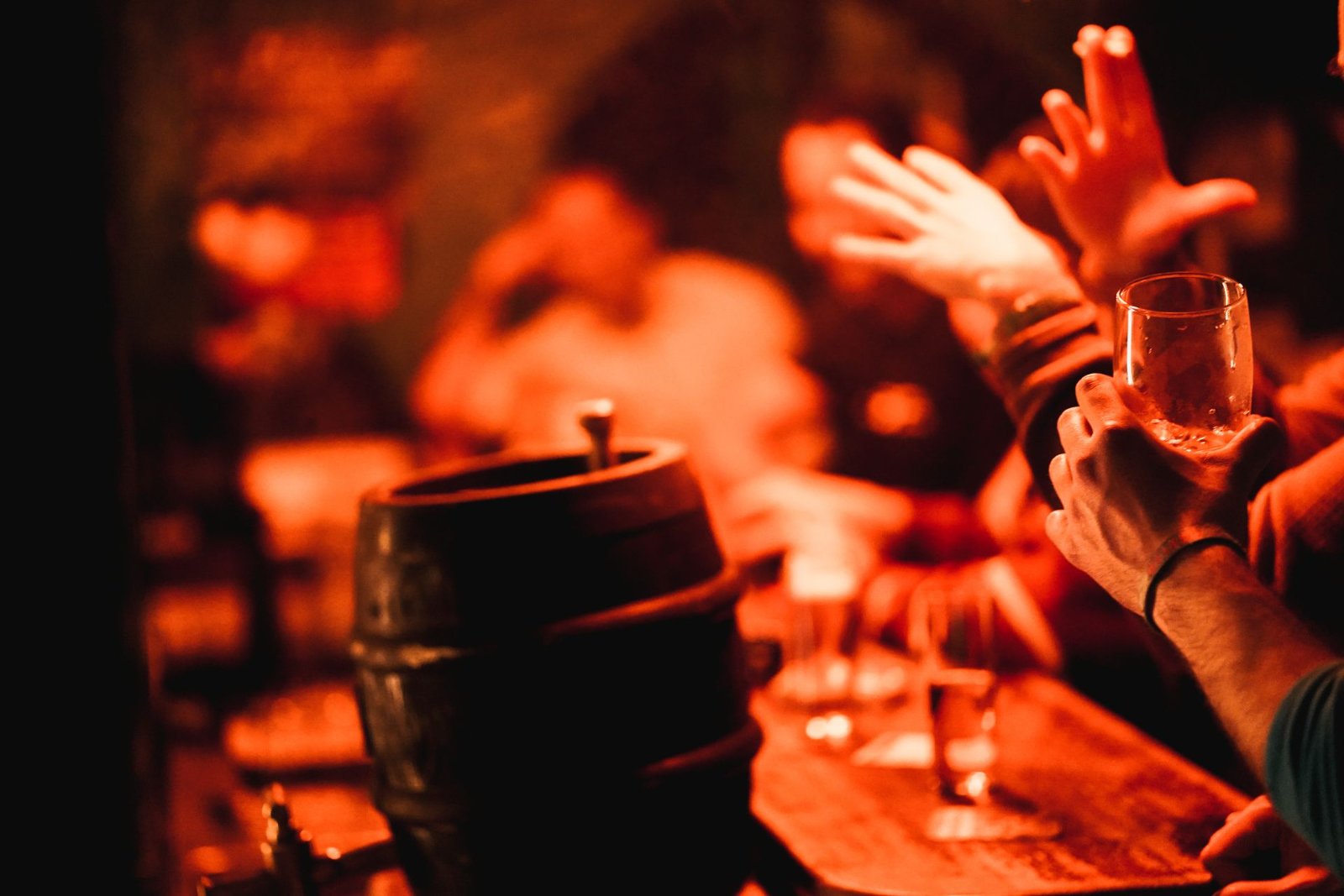
Picture this: It’s a Friday night in downtown San Jose, and you’re planning a bar crawl with a group of friends. Instead of scrolling through endless Yelp reviews and texting back and forth about which spots to hit first, an AI-powered app has already curated the perfect route — factoring in your group’s drink preferences, walking pace, budget, and even how much water you’ve consumed throughout the day. Sound futuristic? It’s closer than you think, and it’s already beginning to reshape how we think about social wellness.
The intersection of artificial intelligence and social nightlife might seem like an unlikely marriage, but the data tells a compelling story. As apps like Barcrawlerz continue to evolve in tech-forward cities like San Jose, the conversation around bar crawls is shifting from pure entertainment to something more nuanced — a discussion about social wellness, community health, and how technology can help us enjoy ourselves more responsibly and meaningfully.
In this article, we’ll dive deep into how AI-powered bar crawl apps are poised to transform social wellness metrics, what that means for communities like San Jose, and why this matters far more than you might initially expect.
Understanding Social Wellness in the Context of Nightlife
Before we get into the AI piece, let’s talk about what social wellness actually means. Social wellness is one of the eight dimensions of wellness recognized by health professionals, and it refers to the quality of your relationships, your sense of community, and how well you connect with others. It’s not just about being social — it’s about the quality and intentionality of those social interactions.
Bar crawls, at their best, are actually powerful vehicles for social wellness. They bring people together, encourage conversation, expose participants to new environments, and create shared memories. In a city like San Jose — home to a thriving tech culture, a diverse population, and a vibrant downtown scene — bar crawls serve as a unique bridge between different social circles and communities.
“Social wellness isn’t just about how many people you interact with — it’s about the depth, quality, and intentionality of those connections. Nightlife, when approached thoughtfully, can be one of the most powerful catalysts for genuine human connection.”
But here’s the challenge: traditional bar crawls lack the infrastructure to measure, support, or improve the social wellness outcomes of their participants. That’s where AI steps in to change everything.
The Current State of Bar Crawl Apps and Social Technology
Where We Are Today
Today’s bar crawl apps, including platforms like Barcrawlerz that have been gaining traction in the San Jose area, already offer significant improvements over the old “figure it out as you go” approach. Features like pre-mapped routes, venue information, group coordination tools, and real-time updates have made bar crawls more accessible and enjoyable for a wider audience.
San Jose, as a Silicon Valley hub, has been an early adopter of social tech platforms. The city’s tech-savvy population and concentration of young professionals make it a natural testing ground for apps that blend nightlife with smart technology. The downtown SoFA District, Santana Row, and the burgeoning Japantown bar scene all represent diverse social environments that benefit from intelligent curation.
The Data Gap in Social Nightlife
Despite these advancements, there’s a significant gap in how we measure the social wellness outcomes of nightlife experiences. Fitness apps can tell you how many steps you took. Sleep apps can tell you how rested you are. But until recently, there’s been no equivalent for measuring the quality of your social experiences — and that’s a meaningful blind spot.
Current apps can tell you how many bars you visited or how much you spent. What they can’t yet tell you is whether you made a meaningful new connection, whether your group dynamic improved or deteriorated over the course of the evening, or whether the experience contributed positively to your overall sense of belonging and community. AI is about to change all of that.
How Artificial Intelligence Is Revolutionizing Social Experience Design
Personalization at an Unprecedented Scale
The first and perhaps most immediately impactful way AI is transforming bar crawl apps is through hyper-personalization. Traditional recommendation engines work on relatively simple algorithms — they look at what you’ve liked before and suggest more of the same. AI-powered systems go several layers deeper.
Imagine an app that understands not just your drink preferences, but your social energy patterns. Are you someone who opens up after the second venue? Do you tend to get quieter in loud environments? Do you make better connections in intimate cocktail bars versus lively sports bars? AI can analyze behavioral patterns across thousands of data points to create experiences that are genuinely tailored to how you socialize best.
For San Jose residents, this kind of personalization is particularly valuable given the city’s diversity. With a population that reflects dozens of cultural backgrounds and social norms, a one-size-fits-all bar crawl experience simply doesn’t serve everyone equally. AI-powered platforms can account for cultural context, language preferences, and social comfort levels in ways that manual curation simply cannot.
Real-Time Adaptive Routing
One of the most exciting applications of AI in bar crawl technology is real-time adaptive routing. Static routes are fine when everything goes according to plan, but real nights out rarely do. A venue gets overcrowded. One bar closes early. Someone in your group isn’t vibing with the current spot. Traditional apps leave you to figure that out on your own.
AI-powered apps can monitor real-time conditions — crowd levels from venue data feeds, wait times, noise levels, even social media sentiment about specific venues on any given night — and dynamically reroute your crawl to optimize the experience. In a city like San Jose, where venues can vary dramatically in atmosphere and crowd density from block to block, this kind of intelligent routing can make the difference between a mediocre night and an unforgettable one.
Barcrawlerz, for example, has been developing features that leverage real-time data to help groups make smarter decisions on the fly — a capability that will only become more sophisticated as AI integration deepens.
Social Compatibility Matching
Here’s where things get genuinely fascinating from a social wellness perspective. AI-powered bar crawl apps are beginning to explore social compatibility matching — the ability to connect individuals or groups who are likely to enjoy each other’s company based on behavioral data, interests, and social patterns.
Think about the implications for someone new to San Jose who’s trying to build a social network. Instead of showing up to a generic bar crawl and hoping for the best, an AI-powered platform could match them with a group that shares their interests, humor style, and social energy. The result isn’t just a better night out — it’s a genuine contribution to that person’s social wellness and sense of community belonging.
“The most powerful thing technology can do isn’t replace human connection — it’s create the conditions where authentic human connection is more likely to occur.”
Defining and Measuring Social Wellness Metrics in Nightlife
What Are Social Wellness Metrics?
Social wellness metrics are quantifiable measures of the quality and impact of social interactions on an individual’s overall wellbeing. In the context of nightlife and bar crawls, these metrics might include things like the number of new meaningful connections made, the diversity of social interactions experienced, self-reported feelings of belonging and inclusion, the balance between social stimulation and comfort, and the lasting impact on existing relationships within a group.
Traditionally, these have been nearly impossible to measure in real-time social settings. But AI, combined with voluntary user data and behavioral analytics, is beginning to make this measurable in ways that are both actionable and privacy-respecting.
How AI Collects and Analyzes Social Wellness Data
The data collection methods for social wellness metrics in bar crawl apps are more subtle and less invasive than you might expect. Rather than monitoring conversations or requiring constant input from users, AI systems can infer social wellness indicators from behavioral patterns.
For example, how long does a group stay at each venue? Longer dwell times often indicate higher engagement and positive social interaction. How much does the group move around within a venue versus clustering together? This can indicate comfort levels and social openness. How do users rate their experience at the end of the night, and how do those ratings correlate with specific route choices, group compositions, and venue types?
Over time, these data points build a rich picture of what kinds of experiences genuinely contribute to social wellness for different types of people. The insights generated don’t just benefit individual users — they feed back into the platform’s understanding of what makes for a socially healthy nightlife experience, creating a virtuous cycle of improvement.
Privacy, Consent, and Ethical AI in Social Spaces
It would be irresponsible to discuss AI-powered social wellness metrics without addressing the elephant in the room: privacy. The idea of an app analyzing your social behaviors and relationships raises legitimate concerns, and those concerns deserve to be taken seriously.
The most responsible implementations of this technology — and the ones that will ultimately earn user trust — are those that prioritize explicit consent, data anonymization, and user control. Users should always understand what data is being collected, how it’s being used, and have the ability to opt out of any data collection beyond the basic functionality of the app.
In California, where San Jose is located, users benefit from some of the strongest data privacy protections in the country under the California Consumer Privacy Act (CCPA). This regulatory environment actually creates a healthier ecosystem for the development of ethical AI in social apps, because companies must be transparent about their data practices from the ground up.
The Impact on San Jose’s Social Ecosystem
Supporting Local Businesses Through Smarter Foot Traffic
One of the often-overlooked benefits of AI-powered bar crawl apps is their potential to support local businesses by distributing foot traffic more intelligently. In San Jose’s downtown core, there’s a tendency for certain popular venues to become overwhelmed on weekend nights while equally deserving spots nearby remain underutilized.
AI routing can help solve this problem by considering venue capacity, wait times, and overall neighborhood balance when generating routes. This doesn’t just benefit the user experience — it’s genuinely good for the health of San Jose’s nightlife economy. When smaller, independent bars get consistent exposure through intelligent routing, they’re better able to survive and thrive, which in turn creates a richer and more diverse social landscape for everyone.
Barcrawlerz has been particularly attentive to this dimension of their platform, working to highlight hidden gems and emerging venues in San Jose’s bar scene rather than simply routing users to the most obvious destinations. This approach reflects a broader commitment to community health that goes beyond individual user experience.
Fostering Community Connection in a Tech-Centric City
San Jose has a unique social challenge that’s common to many tech-heavy cities: despite being surrounded by brilliant, interesting people, residents can struggle to form genuine community connections. Long work hours, remote work culture, and the transient nature of tech industry employment can all contribute to social isolation — even in a densely populated urban environment.
AI-powered bar crawl apps have a real opportunity to address this challenge by creating structured social experiences that lower the barrier to genuine connection. When the logistics are handled intelligently and the experience is personalized to encourage social comfort, people are more likely to show up, stay engaged, and walk away with meaningful new connections.
The social wellness implications of this are significant. Research consistently shows that strong social connections are one of the most powerful predictors of long-term health and happiness. By creating better conditions for those connections to form, AI-powered social apps are contributing to public health in a very real sense.
Promoting Responsible Social Drinking
Any honest discussion of bar crawl apps and social wellness has to address alcohol consumption. AI-powered platforms have a unique opportunity — and arguably a responsibility — to promote responsible drinking as part of their social wellness framework.
This can take many forms. Smart pacing recommendations that suggest when to hydrate or eat based on time elapsed and venues visited. Integration with rideshare services to ensure safe transportation. Gentle check-ins that allow users to signal if they or someone in their group needs support. Venue recommendations that include non-alcoholic options for those who prefer them.
The goal isn’t to be paternalistic or to diminish the fun of a night out. It’s to use the intelligence available to make sure that the social wellness benefits of a bar crawl aren’t undermined by the negative health consequences of overconsumption. When done right, this kind of thoughtful integration enhances rather than restricts the experience.
The Future of Social Wellness Metrics: What’s Coming Next
Wearable Integration and Biometric Social Data
Looking a few years down the road, the integration of wearable technology with bar crawl apps opens up genuinely fascinating possibilities for social wellness measurement. Devices that can track heart rate variability, stress levels, and even subtle indicators of social engagement could provide real-time data that helps apps understand not just where you went, but how you felt while you were there.
Imagine an app that notices your heart rate elevates positively when you’re in a lively conversation at a particular type of venue, and uses that information to route you to similar environments in the future. Or one that detects rising stress levels in a crowded space and proactively suggests a quieter alternative nearby. The potential for genuinely personalized social wellness optimization is remarkable.
Community-Level Social Wellness Reporting
Beyond individual metrics, AI-powered bar crawl apps have the potential to generate community-level social wellness insights that could be genuinely valuable for urban planners, public health officials, and community organizations in San Jose and beyond.
Aggregated, anonymized data about where and how people connect socially could inform decisions about neighborhood development, venue licensing, public space design, and community programming. Understanding which areas of the city facilitate the most positive social interactions — and which create barriers to connection — could help shape a more socially healthy urban environment.
Integration with Broader Wellness Ecosystems
The most forward-thinking vision for AI-powered bar crawl apps involves their integration into broader personal wellness ecosystems. Just as your fitness app, sleep tracker, and nutrition logger might eventually communicate with each other to give you a holistic picture of your physical health, your social wellness data could become one component of a comprehensive wellbeing dashboard.
Understanding the relationship between your social activity patterns and your overall mood, energy levels, productivity, and physical health could provide insights that no single metric can offer alone. When did a great night out with friends correlate with a week of higher productivity? When did social overstimulation contribute to burnout? These are questions that integrated wellness data could begin to answer in meaningful ways.
Why Barcrawlerz Is Leading the Conversation in San Jose
Among the platforms operating in this space in the San Jose area, Barcrawlerz has distinguished itself by approaching the bar crawl experience with a genuine commitment to community and social wellbeing — not just entertainment. Their platform reflects an understanding that the best bar crawl experiences aren’t just about visiting the most venues or consuming the most drinks; they’re about creating the conditions for genuine human connection and positive shared experiences.
By investing in AI capabilities that prioritize social wellness alongside entertainment value, Barcrawlerz is positioning itself at the forefront of a shift in how we think about nightlife technology. Their work in San Jose’s diverse and dynamic bar scene provides a valuable real-world laboratory for developing and refining the social wellness metrics that will define the next generation of social apps.
“The bar crawl of the future isn’t just smarter — it’s more human. Technology should enhance our capacity for genuine connection, not replace it.”
What sets platforms like Barcrawlerz apart is a recognition that technology in social spaces carries a responsibility. When you’re facilitating human connection — arguably one of the most important things a platform can do — the design choices you make have real consequences for people’s lives. That’s a responsibility worth taking seriously.
Practical Takeaways for San Jose Nightlife Enthusiasts
How to Get the Most Out of AI-Powered Bar Crawl Experiences Today
While the full vision of AI-powered social wellness metrics is still developing, there are practical steps you can take right now to maximize the social wellness benefits of your bar crawl experiences in San Jose.
First, engage honestly with the personalization features that current apps offer. The more accurately you represent your preferences, social style, and goals for an evening, the better the AI can serve you. Don’t just click through the setup screens — take a moment to reflect on what you actually want from a night out.
Second, pay attention to your own social wellness signals. Notice which venues and group dynamics make you feel most alive and connected. Share that feedback with the apps you use, because that data genuinely improves the experience for everyone.
Third, embrace the community aspect of these platforms. Bar crawl apps work best when they’re building genuine community, not just facilitating individual outings. Engage with other users, share your experiences, and contribute to the collective knowledge that makes AI recommendations smarter over time.
For Venue Owners and Nightlife Professionals
If you’re a bar owner or nightlife professional in San Jose, the rise of AI-powered bar crawl apps represents both an opportunity and a call to action. The venues that will thrive in this new landscape are those that invest in creating genuinely distinctive social environments — spaces that AI systems will recognize as uniquely valuable for particular types of social experiences.
Consider what makes your venue’s social atmosphere unique. Is it the intimate layout that encourages conversation? The diverse crowd that creates unexpected connections? The programming that brings together people who wouldn’t otherwise meet? These qualities are exactly what AI-powered platforms will increasingly learn to identify and route people toward.
Conclusion: The Social Wellness Revolution Is Here
The transformation of bar crawl apps through artificial intelligence is about much more than better recommendations or smoother logistics. It represents a fundamental shift in how we think about nightlife as a contributor to — or detractor from — human wellbeing. By bringing the precision and personalization of AI to the inherently human experience of social connection, platforms like Barcrawlerz are helping to define what it means to go out in the 21st century.
For San Jose residents, this evolution is particularly exciting. In a city that has long been at the forefront of technological innovation, the application of AI to social wellness metrics feels like a natural next step — a way of bringing Silicon Valley’s problem-solving ethos to bear on one of humanity’s oldest and most important needs: the need to connect with each other in meaningful ways.
The bars of San Jose’s downtown, SoFA District, and Japantown aren’t just places to drink. They’re social infrastructure — spaces where community is built, relationships are forged, and the fabric of urban life is woven together one conversation at a time. AI-powered bar crawl apps, at their best, are tools for making that infrastructure work better for everyone.
So the next time you’re planning a night out in San Jose, consider what you’re really looking for. Not just a good drink, but a good experience. Not just entertainment, but connection. Not just a fun night, but a contribution to your social wellness and the social health of your community. With the right technology in your pocket, all of that is increasingly within reach — and the future looks very bright indeed.
Whether you’re a San Jose native, a recent transplant navigating a new social landscape, or just someone who believes that how we spend our nights out matters as much as how we spend our days, the AI-powered bar crawl revolution has something meaningful to offer you. The question is whether you’re ready to embrace it — and we think you just might be.