
Physiological Warning Signs Your Body Sends During a Bar Crawl and How to Interpret Them Before Things Go Wrong
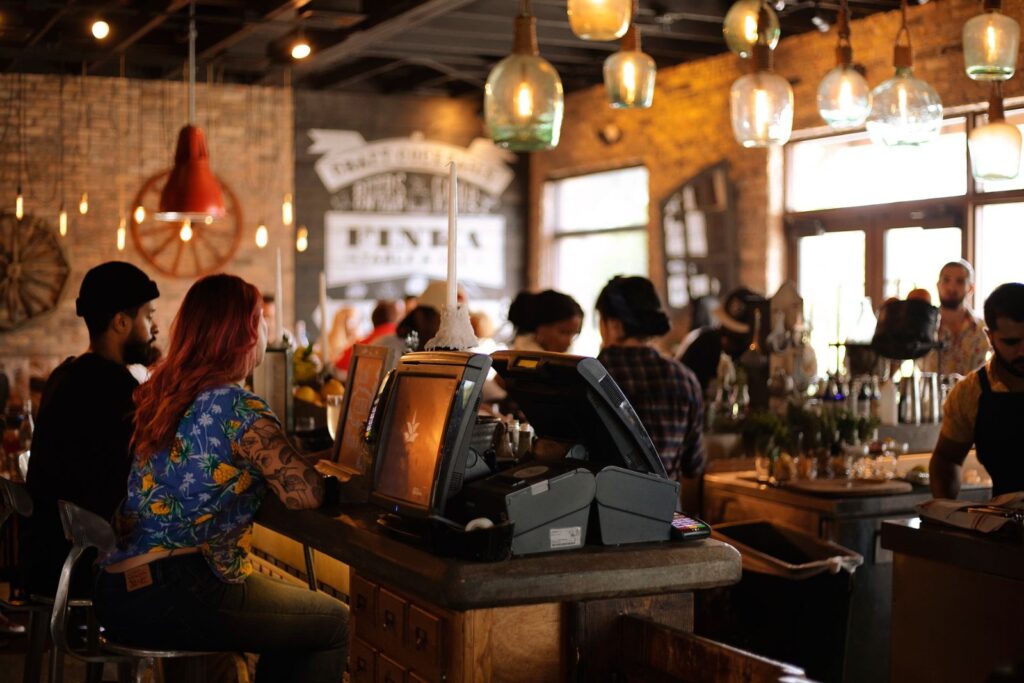
San Jose’s downtown bar scene is electric — from the craft cocktail lounges near SoFA District to the lively pubs tucked along South First Street, a well-planned bar crawl through the heart of Silicon Valley is genuinely one of the best ways to spend an evening with friends. Whether you’re joining an organized event through a group like Barcrawlerz or putting together your own route, the energy is contagious and the good times feel endless.
But here’s the thing: your body is always communicating with you, even when the music is loud and the drinks are flowing. Most people don’t realize that the difference between a legendary night out and a rough morning — or worse, a medical emergency — often comes down to recognizing a handful of physiological warning signs early enough to do something about them.
This guide is for the smart, fun-loving bar crawler who wants to enjoy every stop on the route while staying tuned in to what their body is telling them. We’re going to walk through the real, science-backed signals your body sends when things start to shift from “great time” to “this might be a problem,” and we’ll give you practical, friendly advice on how to respond before things go sideways.
Why Your Body’s Warning System Matters More During a Bar Crawl
A bar crawl is a uniquely challenging environment for your body. Unlike sitting at a single bar for a few hours, a crawl involves movement, varying environments, social stimulation, and often a faster pace of drinking as people try to “keep up” with the group or make the most of each stop. In a city like San Jose, where crawls can stretch across multiple neighborhoods and cover a lot of walking distance, the physical demands compound quickly.
Alcohol affects your central nervous system in progressive stages. At low blood alcohol concentrations (BAC), you feel relaxed and sociable. As BAC rises, judgment becomes impaired, coordination suffers, and — critically — your ability to accurately assess your own condition deteriorates. This is the cruel irony of alcohol: the more you need to pay attention to warning signs, the harder it becomes to notice them.
“The problem isn’t just that people feel too good to stop — it’s that alcohol actively reduces the brain’s ability to recognize danger signals, including the ones the body is broadcasting loud and clear.”
That’s why it’s so valuable to learn these signs in advance, while you’re sober and clear-headed. When you know what to look for, you can catch them even when your judgment is slightly clouded.
The Early Warning Signs: Your Body’s Gentle Nudges
These are the signals that show up relatively early in a bar crawl — often after the second or third drink. They’re easy to dismiss in the moment, but they’re your body’s way of politely asking you to slow down.
Warmth and Flushing of the Skin
That warm, rosy feeling in your cheeks? It’s not just a pleasant side effect — it’s a vascular response. Alcohol causes blood vessels near the skin’s surface to dilate, which is why your face and neck might turn red or feel warm. This is your body working harder to regulate temperature.
For some people, particularly those of East Asian descent, this flushing can be more intense due to a genetic variation in how the body metabolizes acetaldehyde (a byproduct of alcohol metabolism). If you notice intense flushing, rapid heartbeat, or nausea alongside the redness, that’s a more urgent signal to slow down significantly.
What to do: Take note of the flush. It’s a reliable early indicator that alcohol is entering your system at a meaningful rate. If you’re only two drinks in and already flushing hard, your body may be more sensitive that evening — or you may have drunk faster than you realized.
Mild Headache or Pressure Behind the Eyes
A subtle, dull headache early in the night is often a dehydration signal. Alcohol is a diuretic, meaning it causes your kidneys to excrete more water than usual. Even one or two drinks can begin a dehydration process that, if unchecked across a multi-stop crawl, leads to the throbbing headache most people associate with hangovers — except it’s starting to happen in real time.
What to do: This is your cue to hydrate. Order a glass of water at the next bar before ordering your next drink. In San Jose’s warmer months, when a bar crawl might involve walking in mild evening heat, dehydration can accelerate faster than you’d expect.
Increased Talkativeness and Reduced Inhibition
Okay, this one might feel like the point of the evening — but it’s also a physiological marker worth acknowledging. When alcohol begins to suppress the prefrontal cortex (the brain’s decision-making and impulse-control center), you naturally become more outgoing, less filtered, and more likely to take social risks.
This isn’t inherently dangerous, but it’s a signal that your BAC is rising. The same mechanism that makes you more talkative also makes you more likely to accept another drink when offered, less likely to notice you’re thirsty, and less able to accurately gauge how you’re feeling.
What to do: Use this as a mental checkpoint. If you notice you’re suddenly the most animated person in the room when you were quiet an hour ago, acknowledge it internally. That’s your BAC talking. It doesn’t mean stop — it means be intentional about your next choice.
Mid-Crawl Warning Signs: Your Body Turning Up the Volume
As the evening progresses and the stops add up, the warning signals get louder. These are the signs that your body is working harder to compensate for the alcohol load, and they deserve real attention.
Nausea or Stomach Discomfort
Nausea is one of the body’s most direct and honest warning systems. Alcohol irritates the stomach lining and triggers the release of gastric acid, which can cause a queasy, unsettled feeling. When the liver can’t metabolize alcohol fast enough (it processes roughly one standard drink per hour), the excess alcohol and its byproducts circulate in the bloodstream and can trigger nausea through the brain’s chemoreceptor trigger zone.
Mild nausea is your body saying: “We’re at capacity. Let’s take a break.” Severe nausea or actual vomiting is your body saying: “We’ve exceeded capacity and I’m taking matters into my own hands.”
What to do: If you feel even mild nausea, stop drinking alcohol immediately and switch to water or a non-alcoholic beverage. Eat something if you haven’t already — many San Jose bars and the areas around them have late-night food options that can help. Sitting down, breathing steadily, and stepping outside for fresh air can also help settle things down.
Dizziness or a Spinning Sensation (Vertigo)
That “room is spinning” feeling has a physiological explanation. Alcohol affects the fluid in your inner ear’s semicircular canals, which are responsible for your sense of balance. It also suppresses the cerebellum, the part of the brain that coordinates movement and spatial orientation. When both systems are disrupted simultaneously, the result is that classic dizzy, tilting sensation.
Mild dizziness is uncomfortable but manageable. Severe spinning, especially when lying down, is a warning sign that should be taken seriously — it means your BAC has reached a level where your body’s balance systems are significantly impaired.
“Dizziness is one of the most reliable physical markers that your BAC has crossed into a zone where falls, accidents, and poor decision-making become genuinely likely. It’s not a fun quirk of the evening — it’s a stop sign.”
What to do: Sit down immediately. Don’t try to push through dizziness by “walking it off” in a crowded bar. Find a stable seat, focus your eyes on a fixed point, and drink water. If the dizziness is severe or accompanied by confusion, it’s time to stop drinking entirely and consider calling it a night.
Slurred Speech and Slowed Reaction Time
You might notice this in yourself or in a friend. Slurred speech happens because alcohol disrupts the motor neurons responsible for coordinating the fine muscle movements involved in speech production. Slowed reaction time is the result of alcohol depressing the central nervous system, reducing the speed at which neurons fire and signals travel.
These are clear signs that BAC has reached a level where driving is absolutely off the table, and where judgment is significantly impaired. In a bar crawl context, this is also the point where people are most likely to make decisions they’ll regret — ordering another round, accepting drinks from strangers, or wandering away from the group.
What to do: This is the moment to implement the buddy system. If you notice slurred speech in yourself, tell a trusted friend. If you notice it in someone else, gently but firmly redirect them toward water, food, and a seat. Groups doing organized crawls with companies like Barcrawlerz benefit from having a structure that makes it easier to look out for one another — there’s safety in a well-organized group.
Increased Heart Rate (Palpitations)
Alcohol initially causes a slight increase in heart rate because it dilates blood vessels and the heart compensates by pumping faster. As BAC rises, this effect can become more pronounced. Some people experience noticeable palpitations — a fluttering or racing feeling in the chest — particularly after multiple drinks in quick succession.
For most healthy people, mild increases in heart rate during drinking are not dangerous. However, if you notice your heart racing noticeably, feeling irregular, or if you experience chest discomfort alongside the palpitations, that is a medical signal that should not be ignored.
What to do: Slow down your drinking pace and hydrate. If palpitations are strong, persistent, or accompanied by shortness of breath, chest pain, or lightheadedness, seek medical attention. San Jose has urgent care facilities and emergency services readily accessible throughout the downtown area.
Advanced Warning Signs: When Your Body Is Asking for Help
These signals indicate a serious situation. If you or someone in your group is experiencing these, the night is over and it’s time to take action.
Confusion and Disorientation
When alcohol significantly suppresses the brain’s cognitive centers, a person can become genuinely confused — unsure of where they are, who they’re with, or what’s happening around them. This is different from being “fuzzy” or forgetful. True disorientation is a sign of alcohol poisoning territory and should be treated as an emergency signal.
In a busy bar environment in downtown San Jose, disorientation is also a safety risk — a confused person is vulnerable to getting separated from their group, wandering into traffic, or being taken advantage of.
What to do: Do not leave a disoriented person alone. Get them seated somewhere safe, provide water, and stay with them. If they cannot hold a coherent conversation, it’s time to call for medical help. When in doubt, call 911.
Pale, Clammy Skin and Cold Sweats
This combination is a classic sign that the body is in distress. Pale skin and cold sweats often indicate that the body’s autonomic nervous system is overwhelmed — blood is being redirected away from the skin and extremities toward vital organs. This can happen when BAC is very high and the body is struggling to maintain basic physiological stability.
This is not a “wait and see” situation. Pale, clammy skin combined with confusion, slow breathing, or unresponsiveness is a medical emergency.
What to do: Call 911 immediately. Place the person in the recovery position (on their side) to prevent choking if they vomit. Stay with them and monitor their breathing until help arrives.
Loss of Coordination and Inability to Stand Safely
When a person can no longer stand without swaying significantly, walk a straight line, or coordinate basic movements, their BAC has reached a level where the risk of falls and injury is very high. In a bar crawl environment, where you may be navigating stairs, curbs, and crowded spaces, this level of impairment is genuinely dangerous.
What to do: The crawl is over for this person. Arrange safe transportation home — a rideshare, a sober friend, or a taxi. Never put a heavily intoxicated person in a car alone, and never let them walk home unaccompanied.
The Role of Hydration, Food, and Pacing in Preventing These Signals
Understanding warning signs is powerful, but prevention is even better. The good news is that a few simple habits can dramatically reduce how quickly and intensely these signals appear.
The One-to-One Rule for Hydration
For every alcoholic drink you consume, drink at least one full glass of water. This doesn’t eliminate alcohol’s effects, but it significantly slows dehydration, reduces the severity of many early warning signs, and gives your liver a better environment in which to do its job. Make it a ritual at each bar stop — water first, then your drink.
Eating Before and During the Crawl
Food in your stomach slows the absorption of alcohol into the bloodstream, which means your BAC rises more gradually and your body has more time to process each drink. A solid meal before the crawl begins is essential. During the crawl, snacking where possible — many bars in San Jose’s downtown scene offer bar bites or small plates — helps maintain that buffer.
Pacing Yourself Across Stops
The structure of a bar crawl can inadvertently encourage fast drinking — you arrive at a new venue, everyone orders, and there’s social pressure to keep pace. Being intentional about your pace is one of the most effective things you can do. Nurse your drinks. Order something lighter at one stop. Take a round off entirely and order a mocktail or soda water — nobody needs to know.
“The best bar crawlers aren’t the ones who drink the most — they’re the ones who are still having fun at the last stop, fully present and genuinely enjoying the night.”
Knowing Your Personal Baseline
Everyone metabolizes alcohol differently based on body weight, sex, age, genetics, medications, and how much they’ve eaten. What’s a comfortable pace for one person in your group might be too fast for another. Know your own baseline and don’t compare yourself to others.
How Organized Bar Crawls Like Barcrawlerz Help Keep Things Safe
One of the genuine advantages of joining an organized bar crawl through a company like Barcrawlerz in San Jose is the built-in structure and community it provides. When you’re part of an organized group, you’re not navigating the night alone — there are other people around you who are invested in everyone having a good time safely.
Organized crawls typically move at a set pace between venues, which naturally builds in time for your body to process alcohol between stops. The group environment also makes it easier to implement the buddy system — someone is always watching out for someone else. And experienced crawl organizers know the venues, the routes, and how to handle situations when someone needs to step back for the evening.
San Jose’s downtown bar scene is best enjoyed when everyone gets home safely and has stories to tell the next day. Companies like Barcrawlerz understand that a truly great bar crawl is one where the fun is sustainable across the whole night — not one that peaks too early and ends badly.
The Buddy System: Your Most Important Safety Tool
Before we wrap up, let’s talk about the buddy system — because no list of physiological warning signs matters if you’re not watching out for each other.
Designating a Check-In Buddy
Before the crawl starts, pair up with someone in your group. This is your person for the evening. You check in with each other regularly — not in an annoying, hovering way, but in a genuine “how are you actually feeling?” way. You notice when they seem off. They notice when you seem off. You make decisions together.
Creating Group Signals
Some groups create simple, low-key signals for when someone wants to slow down or leave without making it awkward. A simple phrase, a hand gesture, or a text message can give someone the out they need without any drama. This is especially useful in loud bar environments where having a conversation about how you’re feeling isn’t always easy.
Planning the End of the Night in Advance
Decide before you go out how everyone is getting home. Rideshare apps make this easier than ever in San Jose, but it’s worth having the plan in place before the drinks start flowing. When you’ve had several drinks and it’s late, making decisions about transportation is harder than it should be. Remove that variable in advance.
A Final Word: Enjoy Every Stop, Stay Tuned In
A bar crawl through San Jose’s vibrant nightlife scene is genuinely one of the most fun social experiences the city has to offer. The combination of great bars, good company, and a little adventure makes for memories that last a long time — and that’s exactly what groups like Barcrawlerz are built to help you create.
But the best nights are the ones where everyone goes home safe, wakes up feeling okay (or at least functional), and can’t wait to do it again. Your body is your most reliable companion on any bar crawl, and it’s always communicating with you. The warm flush, the slight headache, the queasy stomach — these aren’t inconveniences to push through. They’re information. They’re your body’s way of keeping you in the game for the long haul.
Learn the signals. Watch out for your friends. Hydrate, eat, pace yourself, and be honest with yourself about how you’re feeling. Do those things, and a San Jose bar crawl becomes exactly what it’s supposed to be: a fantastic, memorable, and safe night out that you’ll be talking about for years.
Cheers to great nights and even better mornings — and to knowing the difference between your body saying “this is fun” and “this is too much.”