
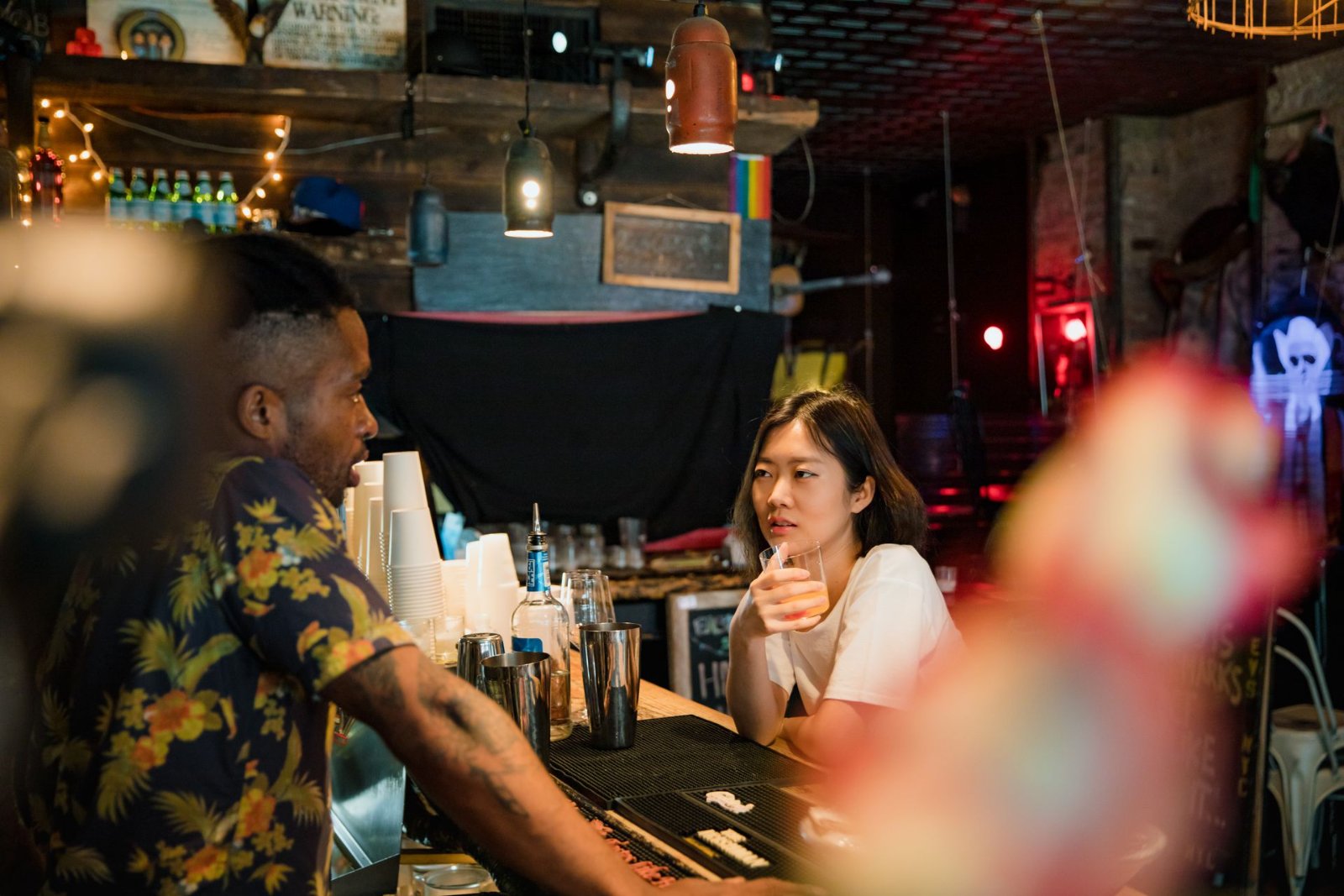
If you’ve ever found yourself grinning ear to ear while bouncing between venues on a bar crawl in San Jose, CA, you’re not imagining things — your brain is literally lighting up like a pinball machine. There’s something undeniably electric about a well-organized bar crawl that separates it from virtually every other group activity you could plan with friends. But what exactly is happening inside your skull that makes it feel so uniquely exhilarating? The answer lies deep within your neuroscience, and once you understand it, you’ll never look at a night out the same way again.
From the dopamine hits triggered by novelty to the oxytocin flooding your system during shared laughter, bar crawls are essentially a masterclass in neurological stimulation. In this article, we’ll break down the science behind why bar crawls — especially those organized by experiences like Barcrawlerz in San Jose — tap into some of the most powerful reward systems in the human brain. Whether you’re a science enthusiast, a social butterfly, or simply someone who wants to justify their next night out, keep reading.
The Neuroscience of Social Bonding and Group Activities
Before we dive into what makes bar crawls specifically so compelling, it’s worth understanding how the brain processes social experiences in general. Human beings are fundamentally wired for connection. Our brains evolved over hundreds of thousands of years in tight-knit social groups, and as a result, our neurological reward systems are deeply intertwined with social interaction.
The Role of Oxytocin in Group Experiences
Oxytocin — often called the “bonding hormone” or “love hormone” — is released during positive social interactions. Physical touch, shared laughter, eye contact, and even synchronized movement (like walking together through downtown San Jose) can trigger its release. When oxytocin floods your system, you feel warmth, trust, and a deep sense of belonging. Group activities that promote these kinds of interactions naturally stimulate oxytocin production.
However, not all group activities are created equal when it comes to oxytocin stimulation. A movie night, for example, involves parallel experience rather than interactive bonding. A bar crawl, by contrast, demands constant interaction, conversation, and shared decision-making — all of which are powerful oxytocin triggers.
Dopamine and the Anticipation Loop
Dopamine is the brain’s primary “reward” neurotransmitter, and it’s particularly interesting because it’s released not just when you receive a reward, but in anticipation of one. This anticipatory dopamine release is one of the reasons bar crawls are so neurologically potent. Each new venue represents a fresh reward — a new atmosphere, new drinks, new people, new music — and your brain starts releasing dopamine in anticipation before you even walk through the door.
“Dopamine is not just about pleasure — it’s about the pursuit of pleasure. The more unpredictable and varied the rewards, the more powerfully dopamine drives behavior.”
This is precisely why the multi-venue format of a bar crawl is so neurologically superior to a single-location night out. Each transition between bars creates a new anticipation cycle, keeping dopamine levels elevated throughout the entire evening.
Why Novelty Is the Secret Weapon of Bar Crawls
One of the most powerful neurological triggers in human psychology is novelty. The brain’s hippocampus and dopaminergic systems respond strongly to new stimuli, flagging them as potentially important and rewarding. This is why we tend to remember new experiences more vividly than routine ones, and why novel experiences feel more meaningful and enjoyable.
The Novelty-Dopamine Connection
Research in neuroscience has consistently shown that exposure to novel environments activates the midbrain dopamine system. When you walk into a bar you’ve never visited before — say, one of the vibrant spots along San Jose’s thriving nightlife corridor — your brain registers the new sights, sounds, smells, and social dynamics as novel stimuli. This triggers a cascade of dopamine release that makes you feel alert, excited, and engaged.
Now multiply that effect by five, six, or seven different venues over the course of a single evening. That’s the neurological magic of a bar crawl. Each new location resets the novelty clock, giving your brain a fresh hit of dopaminergic stimulation that keeps the experience feeling exciting from start to finish.
How Barcrawlerz Leverages Novelty in San Jose
Experienced bar crawl organizers like Barcrawlerz understand this principle intuitively, even if they don’t always articulate it in neurological terms. By curating a diverse lineup of venues — from craft cocktail lounges to energetic sports bars, from rooftop terraces to underground speakeasies — they ensure that each stop on the crawl delivers a genuinely different sensory experience. In a city as vibrant and diverse as San Jose, CA, there’s no shortage of unique venues to keep your brain’s novelty detectors firing all night long.
The carefully planned route, the themed costumes or wristbands, the exclusive drink specials at each location — all of these elements are, in a very real sense, novelty delivery mechanisms. They ensure that no two moments of the evening feel the same, which is exactly what keeps dopamine levels elevated and the fun meter pegged at maximum.
The Power of Shared Experiences and Collective Memory
There’s a reason we remember group experiences more vividly than solo ones. When we share an experience with others, our brains encode the memory with additional emotional weight, making it more durable and more meaningful. This phenomenon is sometimes called the “shared reality effect,” and it has profound implications for why bar crawls feel so uniquely memorable.
Mirror Neurons and Emotional Synchrony
Mirror neurons — the brain cells that fire both when we perform an action and when we observe someone else performing it — play a crucial role in social bonding. When you’re surrounded by friends who are laughing, dancing, or expressing excitement, your mirror neurons activate, causing you to feel those emotions more intensely yourself. This creates a feedback loop of positive emotion that amplifies the fun of every shared moment.
In a bar crawl setting, this effect is supercharged. You’re not just watching your friends have fun from across a dinner table — you’re moving through space together, reacting to the same environments, sharing the same discoveries. The collective emotional experience is far more intense than what any individual could generate alone, and your brain knows it.
Why Shared Challenges Deepen Bonds
Bar crawls also naturally introduce minor shared challenges — navigating a new neighborhood, finding the next venue, deciding which drink to try — that trigger the brain’s cooperative reward systems. When groups work together to solve even small problems, the resulting sense of shared accomplishment releases endorphins and strengthens social bonds. This is why the slightly chaotic, improvisational nature of a bar crawl often leads to some of the most memorable and bonding moments of the evening.
“The brain is wired to reward cooperation. Every time your group successfully navigates to the next bar or discovers a hidden gem together, your neural reward systems register a small but meaningful victory.”
Alcohol’s Role in Neurological Stimulation During Bar Crawls
It would be intellectually dishonest to discuss the neuroscience of bar crawls without addressing the role of alcohol. While responsible consumption is always the goal — and something that reputable organizers like Barcrawlerz actively promote — it’s worth understanding how moderate alcohol consumption interacts with the neurological systems we’ve been discussing.
GABA, Glutamate, and Social Disinhibition
Alcohol primarily works by enhancing the activity of GABA (gamma-aminobutyric acid), the brain’s primary inhibitory neurotransmitter, while simultaneously suppressing glutamate, the primary excitatory neurotransmitter. The net effect is a reduction in social anxiety and self-consciousness, which lowers the psychological barriers that often prevent genuine connection in group settings.
In practical terms, this means that moderate alcohol consumption can make people more likely to initiate conversations with strangers, more willing to dance, more open to sharing personal stories, and generally more socially engaged. In the context of a bar crawl, where social interaction is the entire point, this neurological effect can significantly amplify the bonding experience.
Endorphins and the Social Drinking Effect
Research from the University of Oxford has shown that drinking in social groups — as opposed to drinking alone — triggers a significantly greater release of endorphins, the brain’s natural painkillers and pleasure chemicals. The act of raising a glass together, the laughter, the physical proximity — all of these social elements of bar crawl drinking contribute to an endorphin surge that solo drinking simply cannot replicate.
This is why the social context of a bar crawl is at least as neurologically important as the alcohol itself. The drinks are a catalyst for social interaction, not the end goal — and your brain’s endorphin system responds accordingly.
The Neurological Advantages of Bar Crawls Over Other Group Activities
By now, you might be wondering: how do bar crawls stack up against other popular group activities from a neurological standpoint? Let’s examine some common alternatives and see how they compare.
Bar Crawls vs. Movie Nights
Movie nights are enjoyable, but they’re fundamentally passive experiences. You’re not interacting with your friends — you’re sitting in the dark, watching a screen, and trying not to talk. While shared emotional reactions to films can create bonding moments, the overall neurological engagement is relatively low. There’s no novelty variation, no physical movement, no dopamine anticipation loop. Your oxytocin system barely activates. Bar crawls win this comparison decisively.
Bar Crawls vs. Dinner Parties
Dinner parties are wonderful for deep conversation, but they’re limited by their static nature. You’re in one location, with one set of sensory inputs, for an extended period. The novelty factor is minimal after the first hour. Bar crawls, by contrast, keep refreshing the environment throughout the evening, maintaining elevated dopamine levels and preventing the neurological adaptation that can make static environments feel stale.
Bar Crawls vs. Sports and Active Group Activities
This is where the comparison gets more interesting. Team sports and active group activities like bowling or escape rooms do offer significant neurological benefits — they trigger endorphin release through physical activity, stimulate dopamine through competition and achievement, and promote bonding through shared challenge. In many ways, these activities are neurologically rich.
However, bar crawls have one significant advantage: they combine the social bonding benefits of active group activities with the continuous novelty stimulation that most sports and games cannot provide. A bowling alley is a bowling alley — it doesn’t change between frames. A bar crawl through San Jose’s diverse neighborhoods is a constantly evolving experience that keeps every neurological reward system engaged simultaneously.
Bar Crawls vs. House Parties
House parties are social events, certainly, but they suffer from a common neurological problem: the environment doesn’t change. After the first hour or two, your brain has adapted to the sensory environment, the novelty factor has worn off, and dopamine levels begin to decline. Bar crawls solve this problem by design. Each new venue resets the environment, preventing neurological adaptation and keeping the experience feeling fresh and exciting throughout the night.
The Geography of Fun: Why San Jose Is Perfect for Bar Crawls
The neurological benefits of bar crawls are universal, but the specific geography and culture of a city can significantly amplify or diminish those benefits. San Jose, CA, happens to be an exceptionally well-suited city for the bar crawl experience, and here’s why.
Diversity of Venues and Experiences
San Jose’s nightlife scene is remarkably diverse, spanning everything from sleek rooftop cocktail bars in downtown to cozy dive bars in the Willow Glen neighborhood, from craft beer taprooms to vibrant Latin music venues. This diversity is neurologically significant — it means that a well-planned bar crawl in San Jose can deliver genuinely different sensory experiences at each stop, maximizing the novelty stimulation that drives dopamine release.
When Barcrawlerz curates their routes through San Jose, they’re essentially designing a neurological experience — selecting venues that offer maximum contrast and variety to keep participants’ brains engaged and excited from the first bar to the last.
The Walkability Factor and Physical Movement
Physical movement — even at the gentle pace of walking between bars — triggers endorphin release and increases cerebral blood flow, which enhances mood and cognitive engagement. San Jose’s downtown core is compact enough to make walking between venues practical, which means bar crawl participants get a steady trickle of movement-related neurological benefits throughout the evening.
This is a detail that’s easy to overlook but neurologically significant. The act of moving through space together — navigating streets, crossing plazas, discovering new blocks of the city — activates the brain’s spatial navigation systems and creates a sense of shared adventure that static activities simply cannot replicate.
The Social Culture of San Jose
San Jose is a city of diverse communities and cultures, which creates a uniquely rich social environment for bar crawls. The chance encounters with strangers, the exposure to different music, food, and social scenes, and the general energy of a cosmopolitan city all contribute to the novelty and social stimulation that make bar crawls neurologically compelling.
How Barcrawlerz Maximizes the Neurological Experience
Understanding the neuroscience of bar crawls is one thing — designing an experience that actually delivers on all of these neurological promises is another. This is where the expertise of a professional bar crawl organizer like Barcrawlerz becomes genuinely valuable.
Curated Routes and Venue Selection
The neurological benefits of a bar crawl depend heavily on the quality and diversity of the venues included. A poorly planned crawl that visits similar bars in the same neighborhood won’t deliver the novelty stimulation needed to keep dopamine levels elevated. Barcrawlerz invests significant effort in curating routes that offer genuine variety — different atmospheres, different drink specialties, different music, different crowd energies — to ensure that each stop delivers a fresh neurological experience.
Structured Social Facilitation
One of the biggest barriers to social bonding in group settings is the awkwardness of initiating interaction. Bar crawl organizers like Barcrawlerz address this by creating structured social facilitation opportunities — themed events, group challenges, organized introductions — that lower the psychological barriers to interaction and accelerate the social bonding process. This is neurologically significant: the faster you can get oxytocin flowing in a group, the more enjoyable and memorable the entire experience becomes.
Safety and Responsible Fun
Neurological enjoyment and physical safety are not mutually exclusive — in fact, feeling safe is a prerequisite for the kind of relaxed social engagement that produces the best neurological outcomes. Barcrawlerz prioritizes participant safety through responsible drinking guidelines, coordinated transportation options, and experienced event management. When participants feel safe and well-organized, their brains can fully engage with the social and novelty stimulation of the experience without the anxiety that undermines enjoyment.
Practical Tips for Maximizing Your Bar Crawl Experience
Armed with an understanding of the neuroscience, here are some practical strategies for getting the most neurological bang for your buck on your next bar crawl in San Jose.
Embrace the Novelty — Try Something New at Each Stop
Resist the temptation to order the same drink at every bar. Each new drink is a novelty stimulus that triggers a small dopamine response, and it gives you something to talk about and compare with your friends — which in turn stimulates social bonding. Ask the bartender what they’re known for. Try a local craft beer or a signature cocktail. Your brain will thank you.
Stay Present and Engaged Between Venues
Some of the most powerful neurological bonding happens during the transitions between bars — while you’re walking through San Jose’s streets, laughing about what just happened, and speculating about what’s coming next. Don’t retreat into your phone during these moments. The anticipation and shared reflection that happen between venues are neurologically valuable, and they’re easy to miss if you’re distracted.
Introduce Your Group to New People
Bar crawls are uniquely well-suited for meeting new people, and every new social connection is an oxytocin opportunity. Challenge yourself and your friends to introduce yourselves to at least one new person at each venue. You’ll be surprised how quickly the social energy of a bar crawl creates connections that feel surprisingly genuine and lasting.
Pace Yourself for Maximum Enjoyment
From a neurological standpoint, the goal is to maintain a level of alcohol consumption that reduces social inhibition without impairing the cognitive functions needed to fully appreciate the experience. Drinking water between alcoholic drinks, eating beforehand, and being mindful of your consumption pace will help you stay in the neurological sweet spot where you’re relaxed and socially engaged without losing the clarity needed to fully enjoy and remember the experience.
The Morning After: Why Bar Crawl Memories Feel So Vivid
One final neurological phenomenon worth discussing is why bar crawl memories tend to be so vivid and enduring compared to memories from other social activities. The answer lies in a concept called “emotional memory enhancement.”
The amygdala — the brain’s emotional processing center — works in close concert with the hippocampus, which is responsible for memory formation. When an experience generates strong emotional responses (excitement, laughter, surprise, connection), the amygdala signals the hippocampus to encode the memory more deeply and durably. The multi-layered emotional stimulation of a bar crawl — the novelty, the social bonding, the shared adventure — creates exactly the kind of strong emotional responses that lead to vivid, long-lasting memories.
This is why, days or even weeks after a bar crawl with Barcrawlerz through downtown San Jose, you and your friends are still laughing about that one moment at the third bar, or talking about the incredible cocktail you discovered at an unexpected venue. The neuroscience of emotional memory enhancement has done its work, and those experiences have been written into your long-term memory with unusual clarity and warmth.
Conclusion: Bar Crawls Are Neurologically Engineered for Maximum Fun
The evidence is compelling: bar crawls are not just a fun way to spend an evening — they’re a neurologically sophisticated social experience that engages virtually every major reward system in the human brain simultaneously. The continuous novelty stimulation keeps dopamine levels elevated. The social interaction and shared experiences flood the system with oxytocin and endorphins. The physical movement through a vibrant city like San Jose adds a layer of endorphin release and spatial engagement. The structured social environment lowers barriers to connection and accelerates bonding. And the strong emotional experiences created throughout the evening are encoded as vivid, lasting memories.
No other common group activity combines all of these neurological elements as effectively as a well-organized bar crawl. Movie nights, dinner parties, house parties, and even many active group activities simply cannot match the multi-layered neurological stimulation that a bar crawl provides. When you understand the science, the appeal becomes not just understandable but almost inevitable.
If you’re in San Jose, CA, and you’re ready to experience this neurological phenomenon for yourself, Barcrawlerz offers expertly curated bar crawl experiences designed to maximize every element of the fun. With carefully selected venues, structured social facilitation, and a commitment to responsible enjoyment, they’ve created an experience that your brain is quite literally wired to love.
So the next time someone asks why bar crawls are so much fun, you can give them the full neurological explanation — or you can simply invite them to join you on the next one and let their brain figure it out for itself.