
Picture this: a marketing team crammed into a sterile conference room somewhere outside San Jose, CA, sitting through their third trust-fall exercise of the afternoon while a facilitator in a polo shirt talks about “synergy.” Sound familiar? For millions of professionals across the country, the corporate retreat has become synonymous with wasted time, forced fun, and a return to the office feeling more drained than inspired.
That’s exactly the situation one San Jose-based marketing team found themselves in — until they made a bold decision that changed everything. They ditched the corporate retreat entirely and replaced it with something far more human, far more enjoyable, and — as it turns out — far more effective: a monthly bar crawl through the heart of Silicon Valley’s social scene.
What started as a casual experiment quickly evolved into a cornerstone of their team culture. Morale went up. Communication improved. Collaboration flourished. And not a single trust fall was required. Here’s the full story of how and why this unconventional approach worked, and what your team can learn from it.
The Problem with Traditional Corporate Retreats
Before we dive into the bar crawl strategy, it’s worth understanding why corporate retreats so often fail to deliver on their promises. Companies spend billions of dollars annually on team-building events, yet employee engagement statistics remain stubbornly low. Why the disconnect?
The Artificiality Problem
Most corporate retreats are engineered environments designed to simulate connection. The problem is that people can feel when something is manufactured. When you’re asked to “share a vulnerability” with a coworker you barely know while a facilitator watches and takes notes, it doesn’t build trust — it builds discomfort. Authentic relationships don’t form on command. They develop gradually, through shared experiences and genuine conversation.
The One-Size-Fits-All Approach
Corporate retreats typically follow a script: icebreakers in the morning, workshops in the afternoon, a group dinner in the evening. But teams are made up of diverse individuals with different personalities, backgrounds, and social preferences. An introvert forced to perform a skit in front of their colleagues isn’t going to come away feeling more connected to the team — they’re going to come away feeling mortified.
The Cost-to-Value Ratio
A traditional corporate retreat can cost anywhere from $500 to $2,000 per person when you factor in travel, accommodation, food, and facilitation fees. For a team of 12, that’s potentially $24,000 for a two-day event that most participants will have largely forgotten within a month. The return on investment is notoriously difficult to measure, and in many cases, it simply isn’t there.
“We spent $18,000 on a retreat in Monterey and came back exactly the same as when we left — except more tired and slightly resentful,” admitted one marketing director at a mid-sized tech firm in San Jose. “Nobody talked about what we ‘learned’ at the retreat. But everyone still talks about our bar crawls.”
How the Monthly Bar Crawl Strategy Was Born
The marketing team in question — a group of 14 professionals working for a software company based in downtown San Jose — had been through two corporate retreats in three years. Both had been expensive, both had been awkward, and neither had produced the cultural shift that leadership was hoping for.
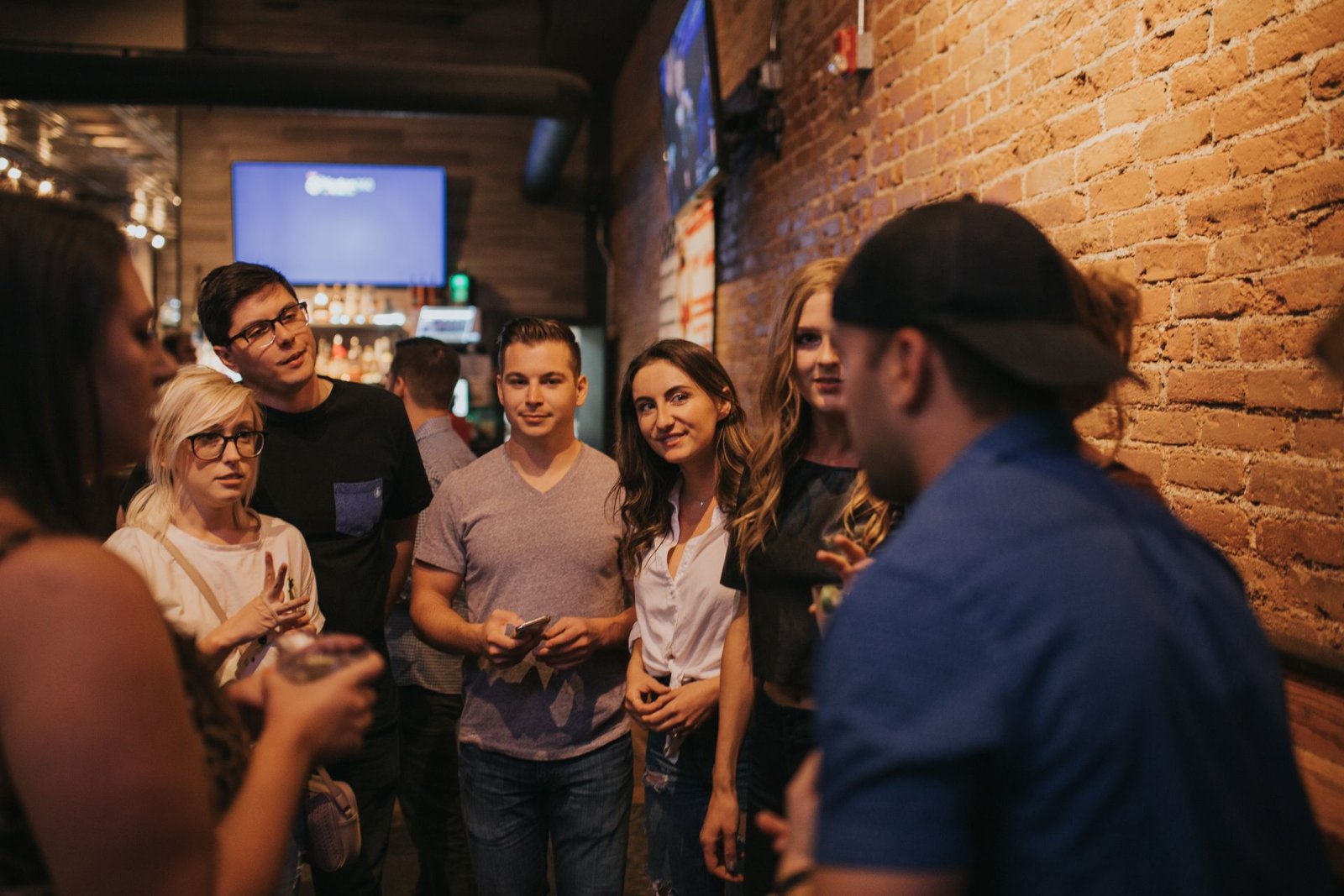
The idea for a bar crawl came almost accidentally. After a particularly grueling product launch, the team’s creative director suggested they all go out for drinks to decompress. What started as a spontaneous outing to a few spots along South First Street turned into a four-hour adventure through some of San Jose’s best bars. By the end of the night, the team was laughing, sharing stories, and — crucially — talking openly about work challenges in a way they never did in the office.
The creative director noticed something important: people were more honest, more relaxed, and more themselves outside of the office environment. Hierarchies dissolved. The junior copywriter was cracking jokes with the VP of Marketing. The data analyst was swapping travel stories with the content strategist. It was the kind of organic connection that no facilitated workshop had ever managed to produce.
That’s when the idea crystallized: what if they made this a regular, structured event? Not a free-for-all, but an organized monthly bar crawl with a loose agenda, a rotating set of locations, and a commitment to making it a genuine team ritual?
Partnering with Barcrawlerz: The Key to Making It Work
One of the smartest decisions the team made early on was partnering with a professional bar crawl organizer rather than trying to plan everything themselves. In San Jose, CA, they found exactly what they needed in Barcrawlerz, a company that specializes in creating memorable, well-organized bar crawl experiences for groups of all sizes.
Why Professional Organization Matters
There’s a significant difference between a group of coworkers wandering from bar to bar and a professionally organized bar crawl experience. Barcrawlerz took care of all the logistics: scouting the best venues, securing group discounts and drink specials, planning routes that kept the energy high throughout the evening, and ensuring that the pacing was right so that nobody felt rushed or overwhelmed.
This logistical support was more important than it might sound. When someone has to worry about reservations, cover charges, and navigating an unfamiliar neighborhood, it creates friction that gets in the way of genuine connection. By removing those obstacles, Barcrawlerz allowed the team to focus entirely on each other — which was the whole point.
San Jose’s Bar Scene: A Perfect Backdrop
San Jose’s downtown bar scene is genuinely exceptional and often underappreciated. The city offers an eclectic mix of venues that cater to a wide range of tastes, from craft cocktail lounges and rooftop bars to lively sports pubs and intimate wine bars. This variety is a significant asset for monthly bar crawls, because it means you can have a completely different experience each time without ever leaving the city.
Barcrawlerz knows the San Jose scene inside and out. They’ve built relationships with venues throughout the South First Area (SoFA), the downtown core, and beyond. Each month, the marketing team got to experience a curated selection of spots they might never have discovered on their own — which added an element of adventure and novelty that kept the tradition feeling fresh.
Customization for Team Culture
Another advantage of working with Barcrawlerz was the ability to customize the experience to fit the team’s specific culture and preferences. Some months, the crawl had a loose theme — a “dive bar classics” night, a craft cocktail evening, a San Jose neighborhood spotlight. These themes gave people something to look forward to and sparked conversations that went beyond the usual office small talk.
Barcrawlerz also helped the team incorporate optional light activities at certain stops — trivia rounds, photo challenges, friendly competitions — that encouraged interaction without the forced awkwardness of traditional team-building exercises. The key word is “optional.” Nobody was required to participate, which paradoxically made people more willing to join in.
The Psychological Science Behind Why Bar Crawls Build Better Teams
It would be easy to dismiss the bar crawl approach as simply “going out for drinks” — but the research on social bonding and team dynamics suggests there’s something genuinely powerful happening during these events.
The Role of Shared Novel Experiences
Psychological research consistently shows that sharing novel experiences with others accelerates the bonding process. When we do something new and slightly unpredictable together — exploring unfamiliar bars, navigating a new neighborhood, discovering a hidden gem of a cocktail lounge — our brains release oxytocin, the so-called “bonding hormone.” This neurochemical response creates a sense of closeness that’s difficult to manufacture in a conference room.
Informal Settings Lower Psychological Barriers
The office environment, no matter how “open” the culture, comes with invisible hierarchies and social rules that govern how people interact. These rules exist for good reason in a professional context, but they also limit the depth of connection that’s possible between colleagues. A bar crawl strips away many of these barriers. People feel freer to be themselves, to share opinions, to laugh, and to show vulnerability in a way that feels natural rather than coerced.
The Power of Regularity
One of the most important aspects of the monthly bar crawl strategy is its regularity. Trust and connection aren’t built in a single event — they develop over time through repeated positive interactions. By making the bar crawl a monthly ritual, the team created a consistent touchpoint that reinforced relationships and gave everyone something to look forward to throughout the month.
“It’s not just about the night itself,” explained the team’s marketing manager. “It’s the fact that on a random Tuesday in the middle of a stressful week, you can look at your calendar and see that the bar crawl is coming up. That anticipation does something for team morale that’s hard to quantify but impossible to ignore.”
Measurable Results: What Actually Changed
After six months of monthly bar crawls organized through Barcrawlerz in San Jose, the marketing team began to notice concrete, measurable changes in how they worked together. These weren’t just vague feelings of improved morale — they were observable shifts in behavior and output.
Communication Became More Open and Honest
One of the most significant changes was in the quality of internal communication. Team members who had previously been reluctant to speak up in meetings began contributing more freely. The creative director attributed this directly to the bar crawl: “When you’ve shared a laugh with someone outside the office, it’s easier to disagree with them professionally. You know they’re a person, not just a colleague. That changes everything.”
Cross-Functional Collaboration Improved
The marketing team worked closely with several other departments, including product development, sales, and customer success. Interestingly, the bar crawl’s effects rippled outward: team members began inviting colleagues from other departments to join occasionally, which helped break down inter-departmental silos. A casual conversation between the marketing copywriter and a product manager at a downtown San Jose bar led directly to a content series that became one of the company’s most successful marketing initiatives of the year.
Employee Retention Improved
In the competitive Silicon Valley job market, retaining talented marketing professionals is a constant challenge. The team’s turnover rate dropped noticeably in the year following the adoption of the monthly bar crawl strategy. Exit interviews from the previous year had cited “feeling disconnected from the team” as a contributing factor in departures. That sentiment virtually disappeared from subsequent feedback.
Creative Output Increased
Perhaps most surprisingly, the team’s creative output — campaigns, content ideas, strategic concepts — improved measurably. This aligns with research showing that social bonding and positive emotional states enhance creative thinking. When people feel safe and connected within their team, they’re more willing to take creative risks and share half-formed ideas that might evolve into something brilliant.
How to Implement a Monthly Bar Crawl Strategy for Your Team
Inspired by this team’s success? Here’s a practical guide to implementing a monthly bar crawl strategy for your own team, whether you’re based in San Jose or anywhere else in the Bay Area.
Step 1: Get Leadership Buy-In
The first step is making the case to leadership that this is a legitimate team-building investment, not just an excuse to go out drinking. Frame it in terms of the outcomes you’re seeking: improved communication, stronger collaboration, better retention, higher morale. Point to the research on social bonding and the documented failures of traditional corporate retreats. And don’t underestimate the cost argument — a monthly bar crawl with Barcrawlerz is a fraction of the cost of an annual corporate retreat.
Step 2: Partner with a Professional Organizer
Don’t try to plan everything yourself. The logistics of organizing a bar crawl for a group of 10 to 20 people are more complex than they appear, and the last thing you want is for the person responsible for planning to spend the whole evening managing logistics instead of connecting with their teammates. In San Jose, Barcrawlerz is the obvious choice — they know the city, they have the relationships with venues, and they know how to create an experience that flows naturally and keeps energy high throughout the evening.
Step 3: Establish Clear, Inclusive Guidelines
A monthly bar crawl should be welcoming to everyone on the team, including those who don’t drink alcohol. Make it clear from the outset that participation doesn’t require drinking — many great bars in San Jose offer excellent mocktails, non-alcoholic options, and food. The goal is the shared experience and the social connection, not the alcohol itself.
Also establish that participation is encouraged but never mandatory. Paradoxically, making the event voluntary tends to increase participation rates, because people feel respected rather than coerced.
Step 4: Create Light Structure Without Over-Engineering
The magic of a bar crawl is its informal nature, but a little structure goes a long way. Consider incorporating one or two optional activities per crawl — a team photo challenge, a quick trivia round, or a “story share” where each person shares something non-work-related about their week. Keep these light and fun, and never mandatory. Barcrawlerz can help you incorporate these elements in a way that feels organic rather than forced.
Step 5: Rotate Locations and Themes
San Jose’s bar scene is diverse enough to support a different experience every month for years. Work with Barcrawlerz to plan a rotating calendar of neighborhoods and themes. One month might focus on the craft cocktail bars of downtown San Jose; the next might highlight the lively atmosphere of the SoFA District. Keeping the experience fresh maintains enthusiasm and gives people something new to look forward to each month.
Step 6: Capture and Share the Memories
Designate someone to take photos throughout the evening — not in a formal, posed way, but candid shots that capture genuine moments of connection and laughter. Share these in a team channel the following day. This serves two purposes: it reinforces the positive memories of the experience, and it creates a visual record of your team’s culture that new hires can see and aspire to be part of.
Step 7: Gather Feedback and Iterate
After the first few crawls, check in with the team. What did they enjoy most? What would they change? Are there neighborhoods or types of venues they’d particularly like to explore? This feedback loop ensures that the experience keeps improving and that everyone feels their preferences are valued.
Addressing Common Concerns and Objections
Not everyone will immediately embrace the idea of a monthly bar crawl as a serious team-building strategy. Here are some of the most common objections and how to address them.
“What About People Who Don’t Drink?”
This is the most frequently raised concern, and it’s a legitimate one. The solution is simple: make it explicit from day one that drinking is entirely optional. Great bars serve great food and excellent non-alcoholic beverages. The social environment of a well-chosen bar is enjoyable regardless of what’s in your glass. Barcrawlerz can help select venues that offer excellent options for non-drinkers, ensuring everyone feels comfortable and included.
“Isn’t This Just an Excuse to Drink?”
The distinction between a purposeful team bar crawl and a disorganized night out is significant. The monthly bar crawl strategy is intentional, structured, and focused on connection. The alcohol is incidental to the experience, not the point of it. The fact that it takes place in bars rather than conference rooms is a feature, not a bug — it’s precisely the informal, relaxed environment that enables the authentic connection that corporate retreats fail to produce.
“What About Liability and Professionalism?”
These are valid concerns that can be addressed with clear guidelines. Establish expectations around professional conduct before each event. Encourage responsible drinking and ensure that transportation options — rideshares, designated drivers — are discussed in advance. Working with a professional organizer like Barcrawlerz adds an additional layer of structure that helps keep events running smoothly and professionally.
The Bigger Picture: Rethinking Team Building for the Modern Workplace
The success of this San Jose marketing team’s monthly bar crawl strategy points to something larger: a fundamental shift in how forward-thinking companies are approaching team building. The old model — expensive, infrequent, artificially structured retreats — is increasingly being replaced by regular, informal, authentic social experiences that respect people’s individuality and trust them to form genuine connections on their own terms.
This shift reflects a broader understanding of what actually drives employee engagement and team cohesion. It’s not the carefully planned workshop or the expert facilitator. It’s the shared laugh at an unexpected moment. It’s the conversation that starts over a cocktail and ends with a new understanding of a colleague’s perspective. It’s the ritual that gives a team its own identity and culture — something that belongs to them, not to the company’s HR department.
In San Jose, CA, where the competition for talent is fierce and the pressure to innovate is relentless, building a team culture that people genuinely want to be part of isn’t a nice-to-have. It’s a competitive advantage. And for one marketing team, that advantage came not from a resort in Monterey or a ropes course in the Santa Cruz mountains, but from a monthly evening exploring the bars of their own city with the help of Barcrawlerz.
“We stopped trying to manufacture team culture in a controlled environment and started letting it grow naturally in the wild. The bar crawl is where our team’s real identity was born.”
Final Thoughts: Is a Monthly Bar Crawl Right for Your Team?
Not every team is the same, and not every approach will work universally. But if your team has been through corporate retreats that felt hollow, if your engagement scores are stubbornly mediocre despite significant investment in team building, or if you’re simply looking for a more authentic way to bring your people together, the monthly bar crawl strategy deserves serious consideration.
The evidence from this San Jose marketing team — and from the growing body of research on social bonding, psychological safety, and team performance — suggests that the most effective team building happens not when it’s engineered, but when it’s allowed to emerge naturally from genuine shared experiences.
If you’re based in San Jose or the greater Silicon Valley area and you’re ready to try something different, reach out to Barcrawlerz. They’ll handle the logistics, curate the venues, and help you create an experience that your team will actually look forward to — month after month, year after year. Because the best team-building strategy isn’t the one that costs the most or sounds the most impressive in a board presentation. It’s the one that actually works.
And sometimes, the most effective thing you can do for your team is simply take them out for a well-organized night in a great city — and let the rest take care of itself.